All Comics

The Crossing

From the Catalogue of the Sixteenth Archivist, entry 5,847
Full chronicle
Page 1

He arrived at the hour of the second bell.

He walked here from somewhere not in any record. He arrived at the south gate at the hour of the second bell. He did not give his name at the gate. He could not. The gate-keeper does not record names travelers do not give.
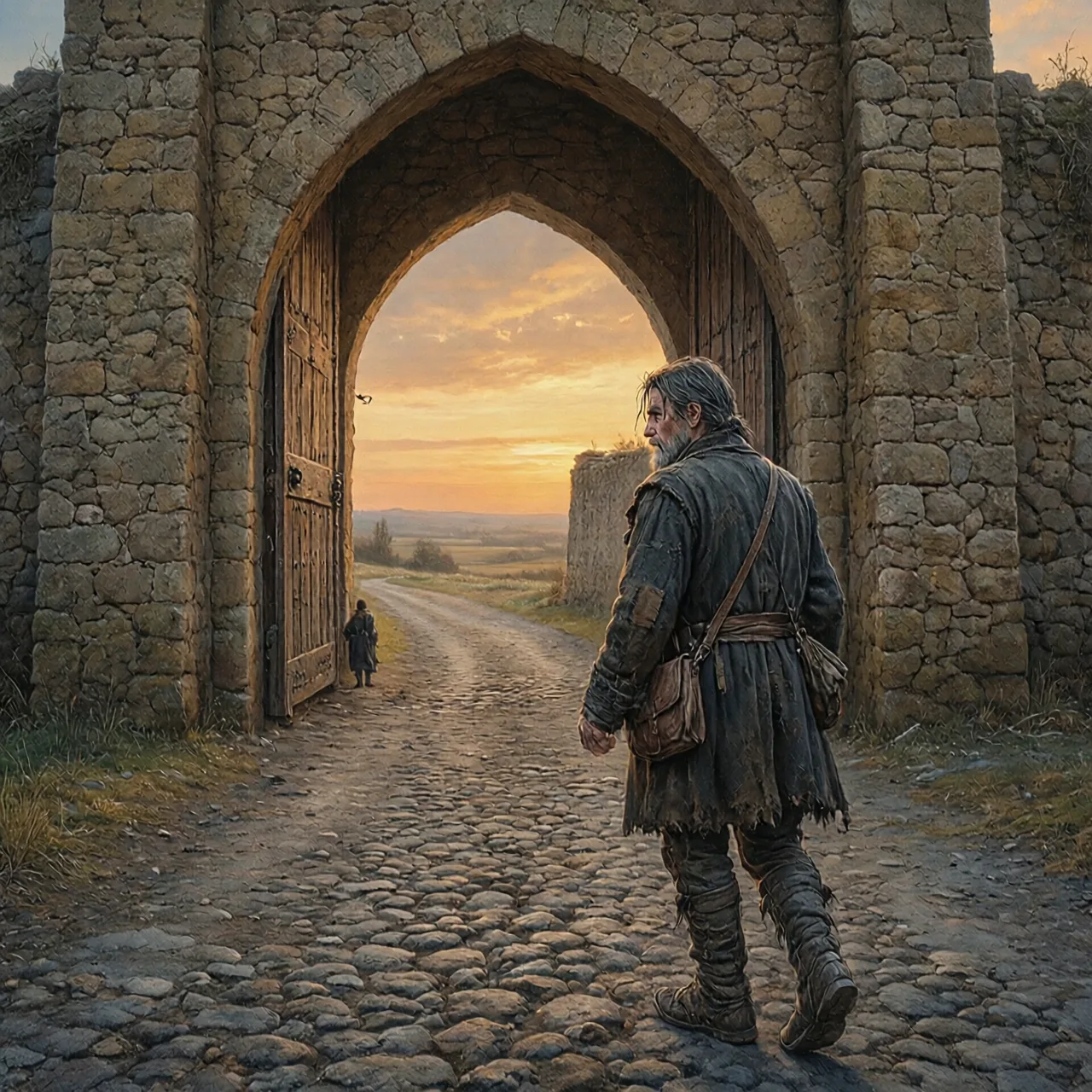
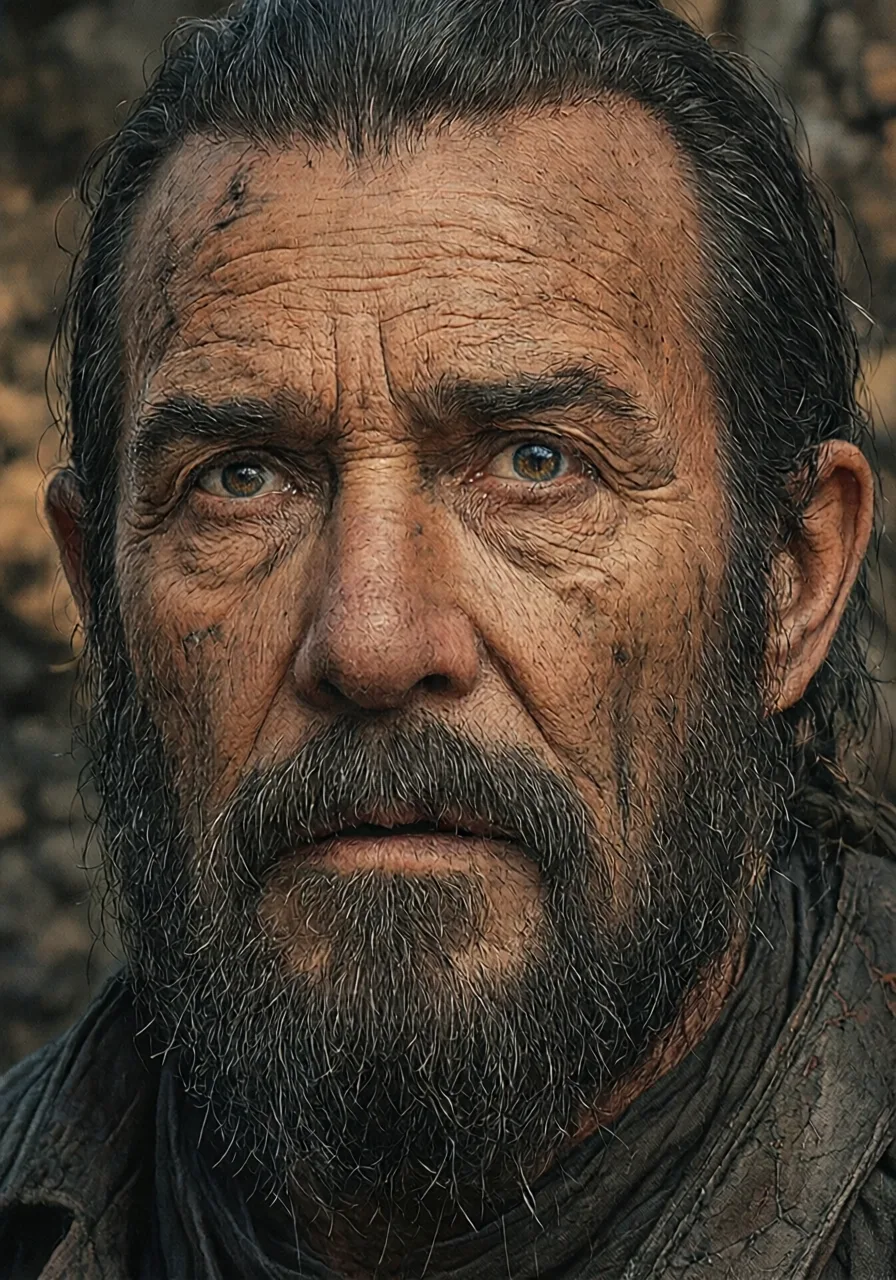
He was thin. He carried a journal in a leather case slung across his shoulder. He carried a single item in his coat pocket. His boots had been mended seven times. The leather of his belt had worn through and been replaced with cord. His beard had not been cut in years.
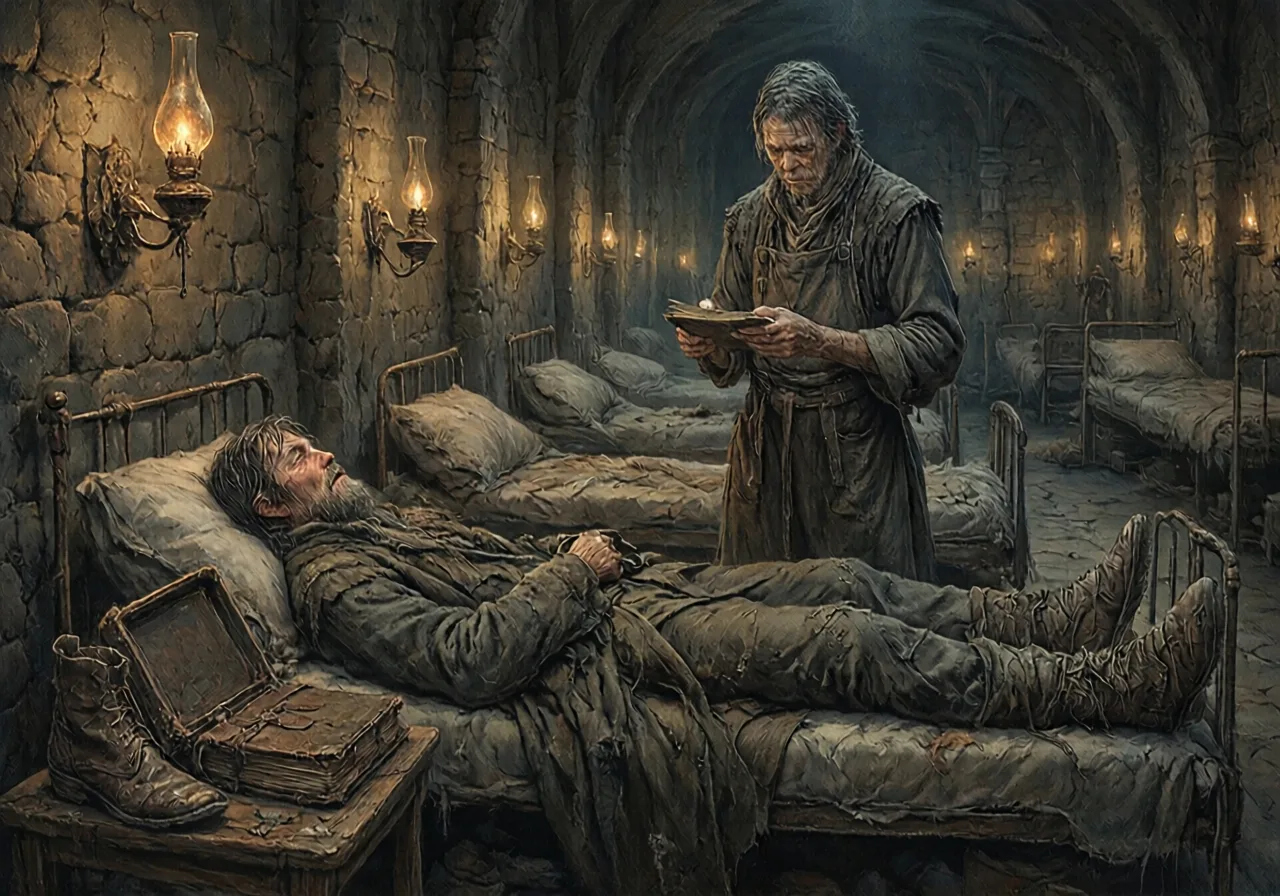
He was admitted to the infirmary at the hour of the third bell. The infirmary's attending physician examined him and found no acute condition. The physician's note reads: the man is tired in a way I have not been able to measure. The fatigue is not in the body. The body is sound. He will die soon.
Page 2

She does not know who placed it there.

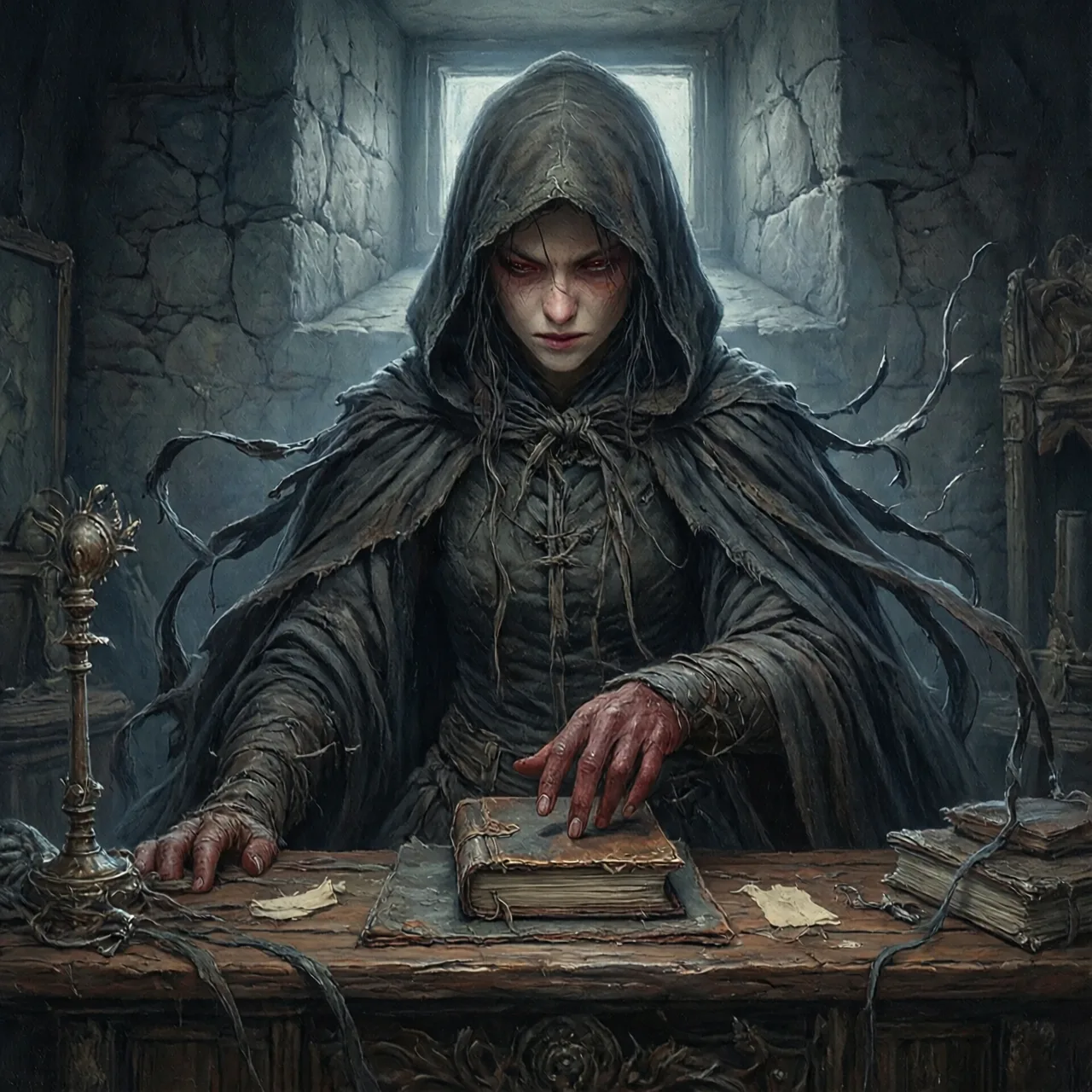
He died at the hour of the second bell on the day after his admission. The cause is not in the infirmary's record. The journal appeared on the Librarian's desk the morning of his death. She does not know who placed it there.
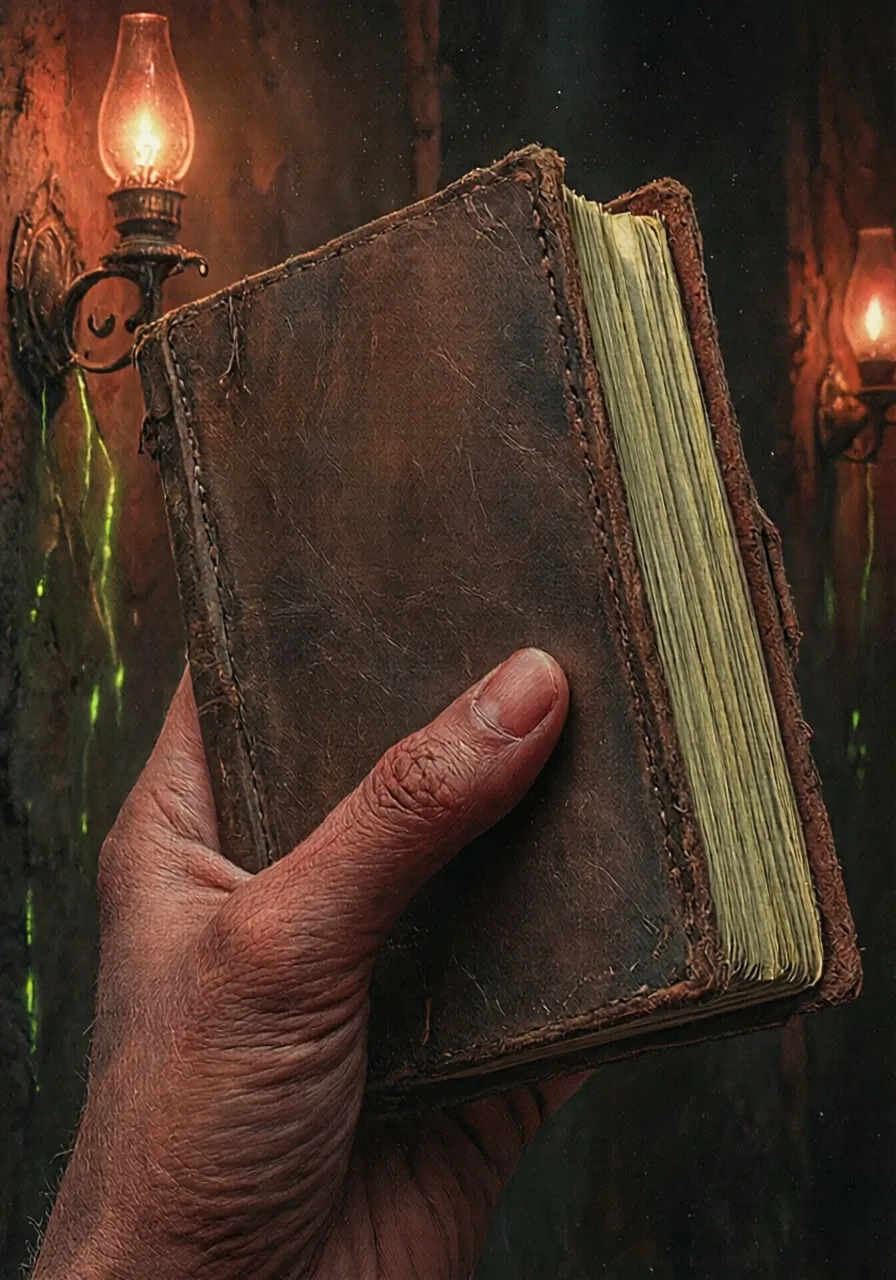
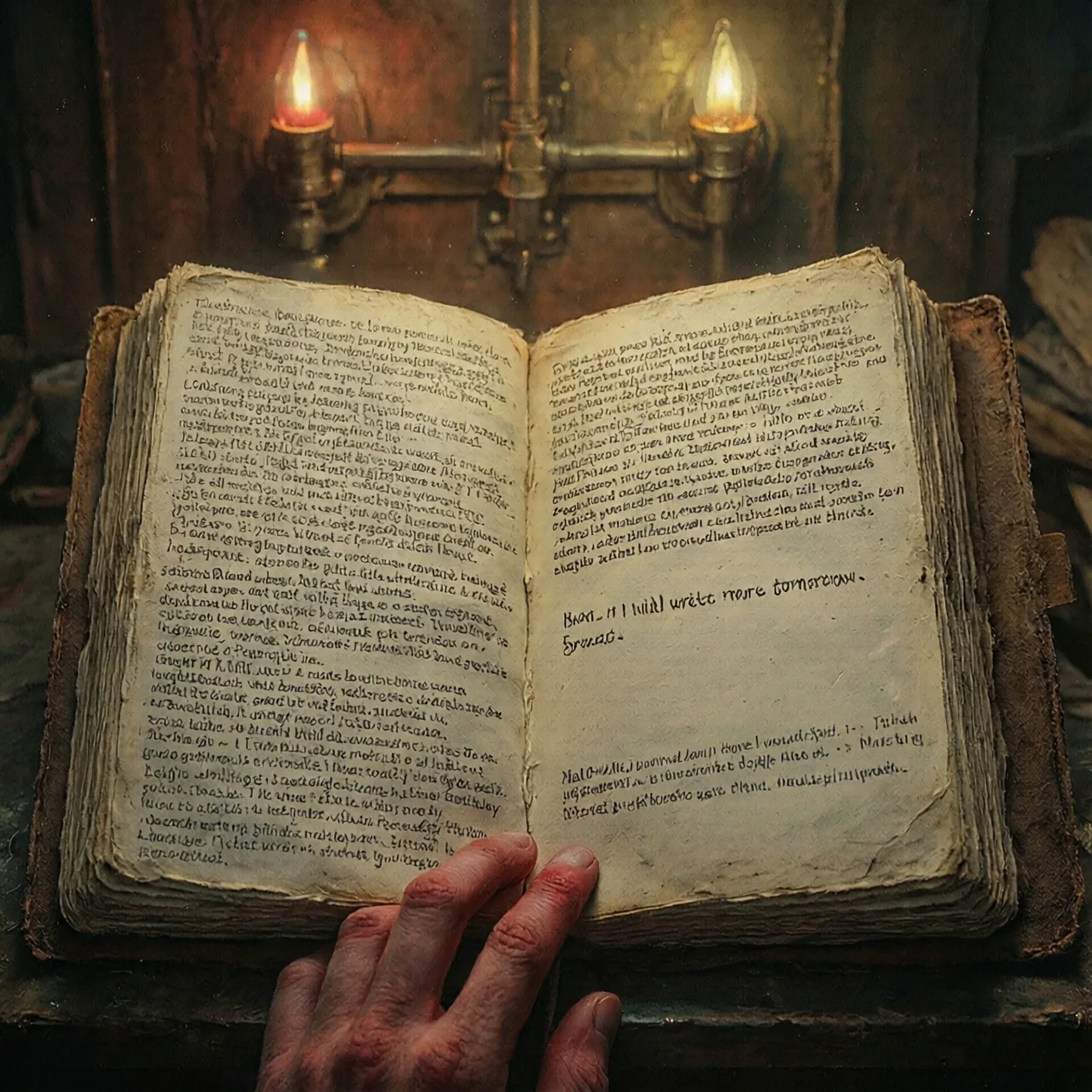
She lifted the journal. The leather was warm with the morning. The cover bore no name. The cover bore no inscription. She opened it.
Page 3

When the bell does not ring, no one speaks.

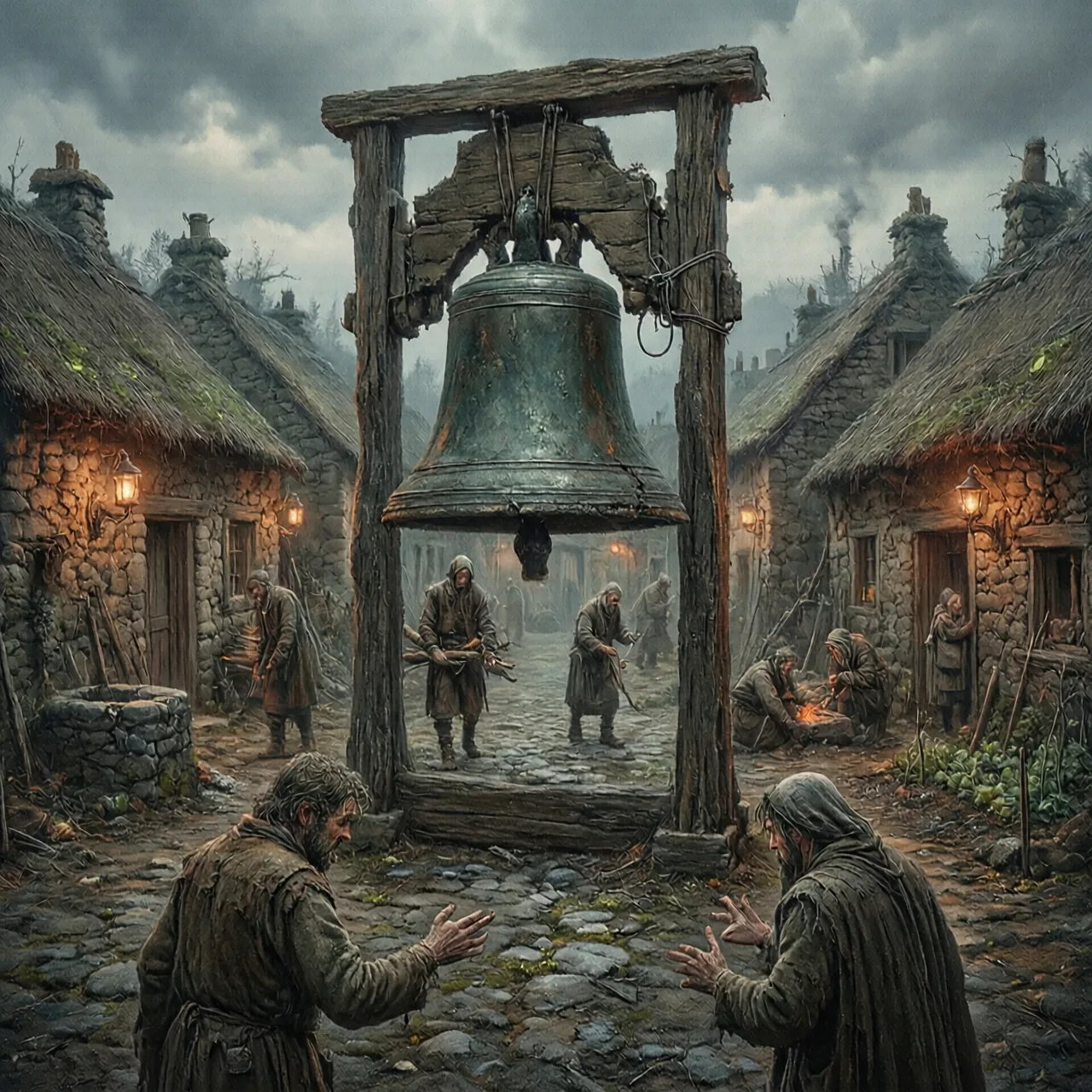
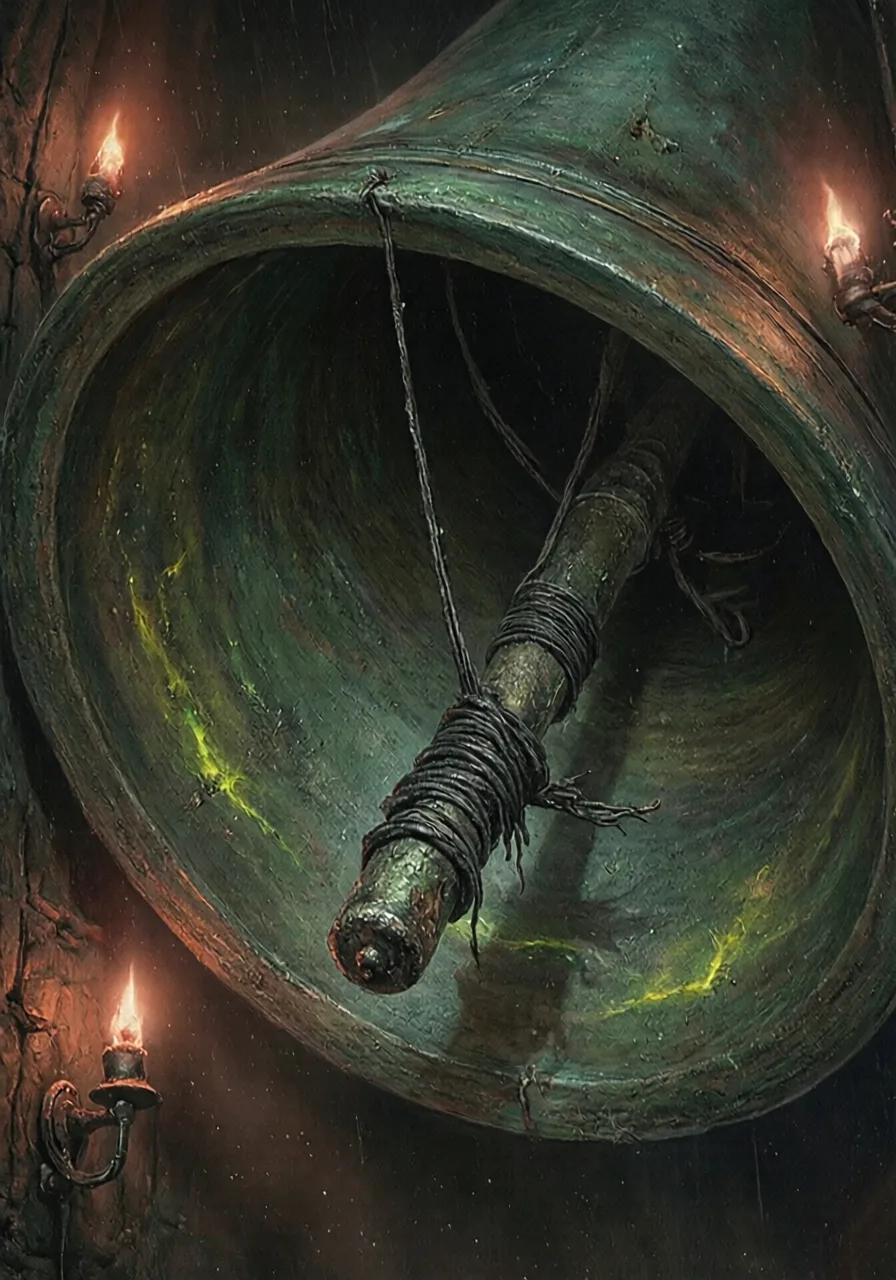
The seventh village I crossed had a single rule. The rule was not spoken. I have written it as I learned it. When the bell does not ring, no one speaks. The bell sat at the centre of the village. The bell was old. The clapper had been wired open. The bell did not ring, would not ring.
I asked one of them, in writing, when the bell had last rung. He wrote back: we do not know. Before us. The bell did not ring then. We do not know what it would call. I left after three days. They did not see me off. The bell did not ring.
Page 4

The shape of a horse and was not a horse.

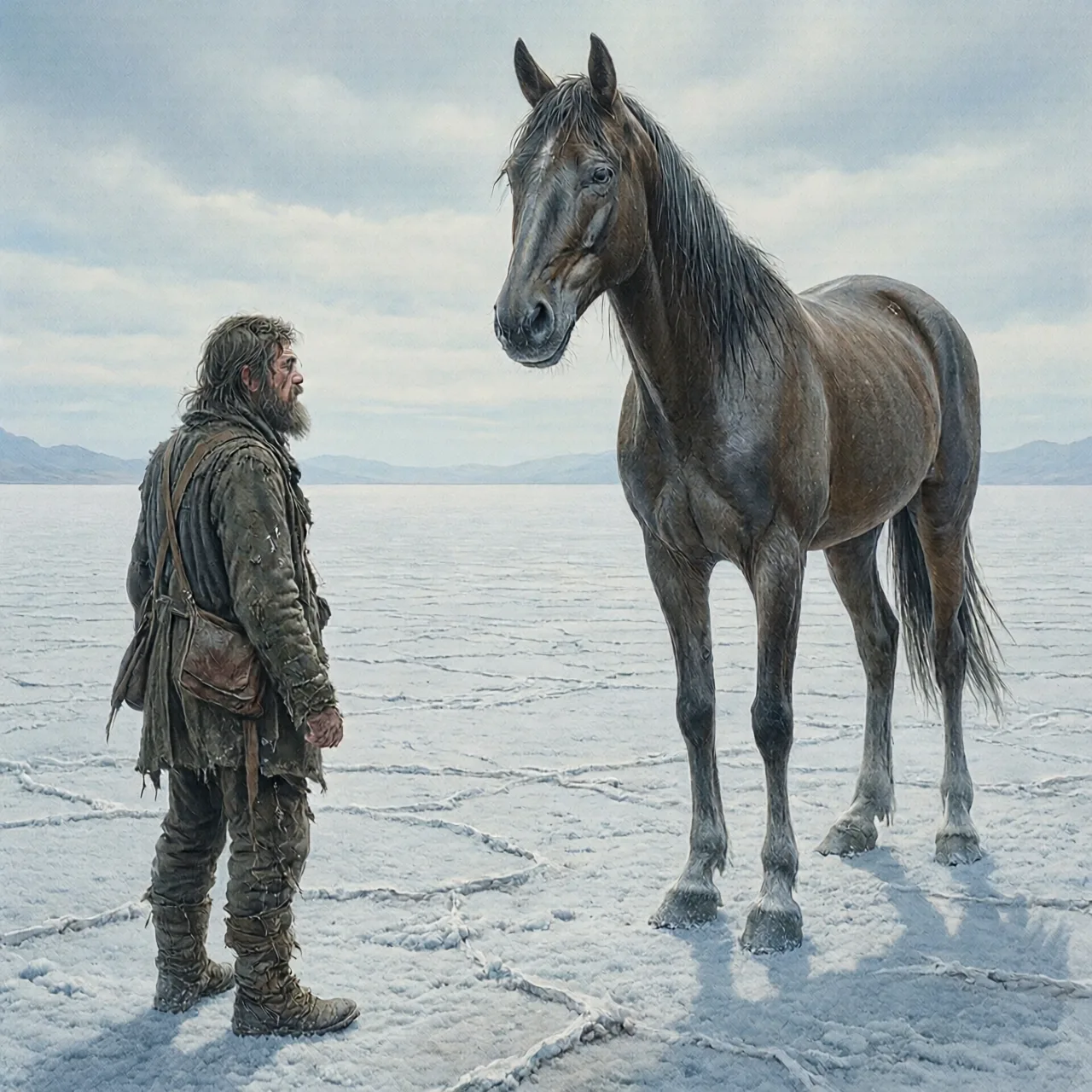
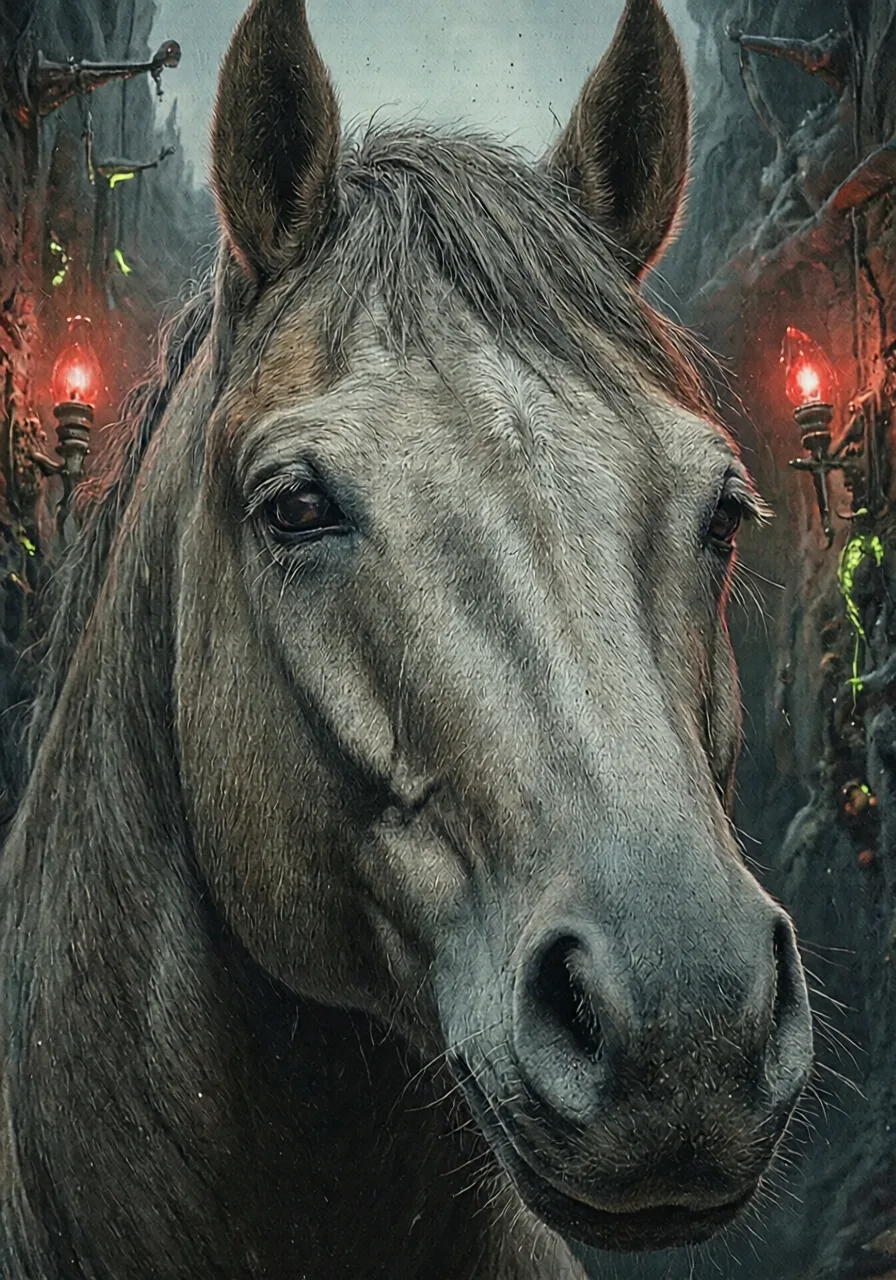
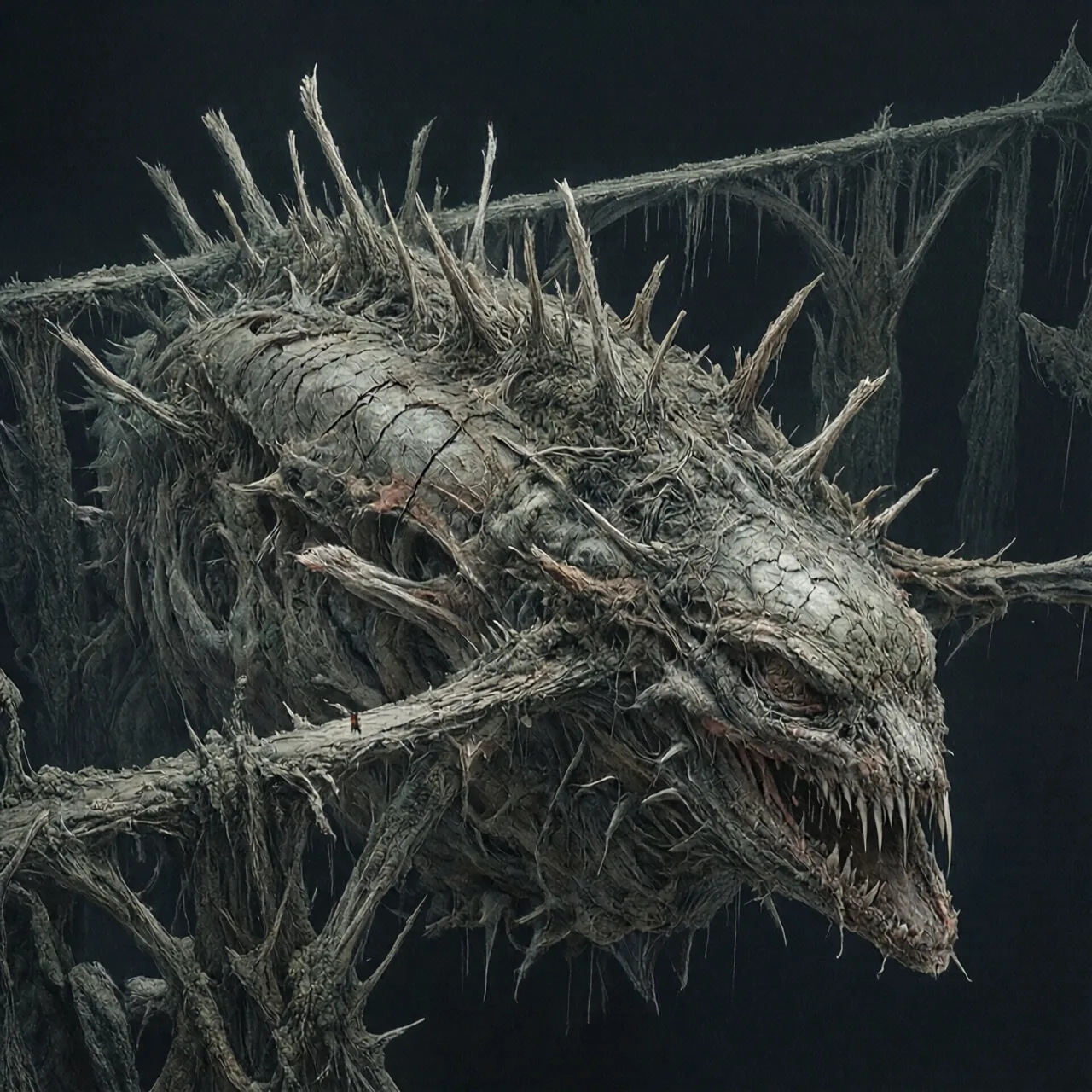
In the salt valley I saw a creature that was the shape of a horse and was not a horse. Its legs were longer than a horse's. Its head was a horse's head. The eyes were closed. The lids would not open. It did not stumble. It did not see me but it knew where I stood. It paused when I held my breath. It moved when I moved.
I followed it for an hour. It walked at the same speed I walked. When I stopped, it stopped. When I sat, it stood. We watched each other across two hundred yards of salt. I broke camp and went the other way. The creature did not follow.
Page 5

The sun had not moved.

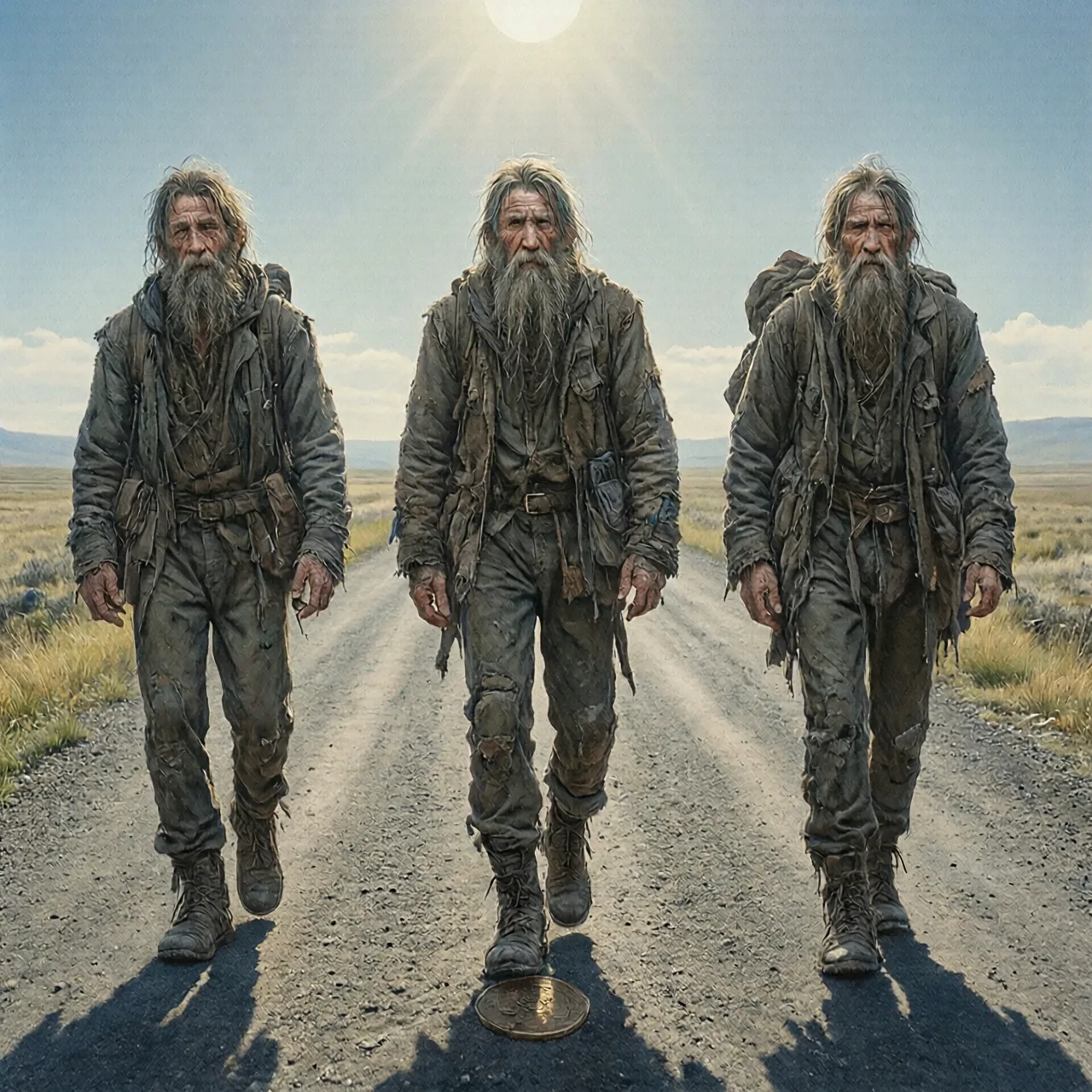
There is a place between the third and fourth shard where time does not run as it should. I entered the place at noon. I walked half a day's distance. I exited the place at noon. The sun had not moved. In the place, I aged. My beard grew. My boots wore. My provisions were consumed. The road was the same. The day was the same. I was not.
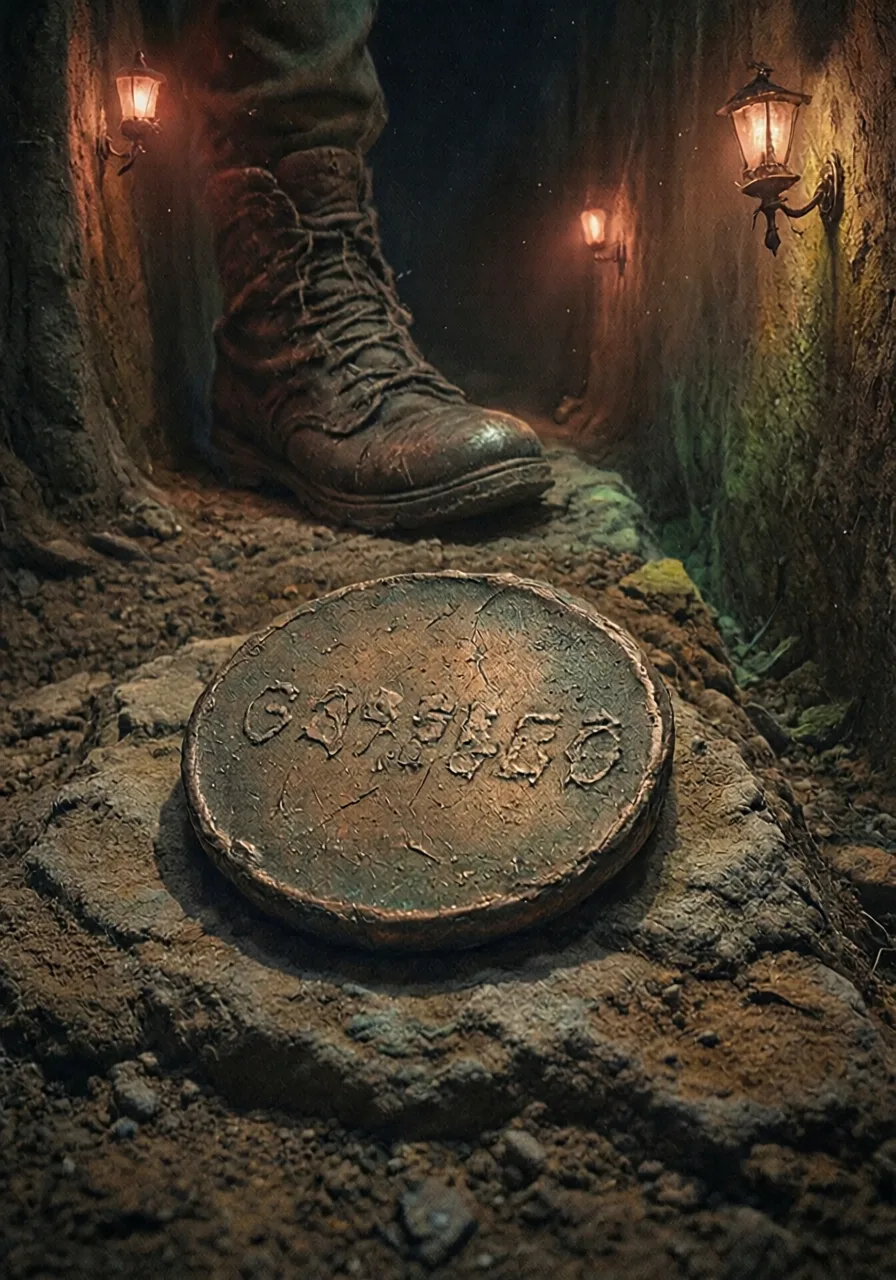
Other travellers I have spoken to since have told me the place is known. They have told me it takes from those who pass through. What it takes is not given back. I left a coin in the place, marked with the date. I did not return for it. I do not think the date would still be on it.
Page 6

The bridge is what the void left of him.

Between the fourth shard and the fifth there is no road. There is no land. There is the void. The crossing is by bridge. The bridge is not stone or rope. Someone laid himself down across the void. The bridge is what the void left of him. He is not named. He is the bridge.
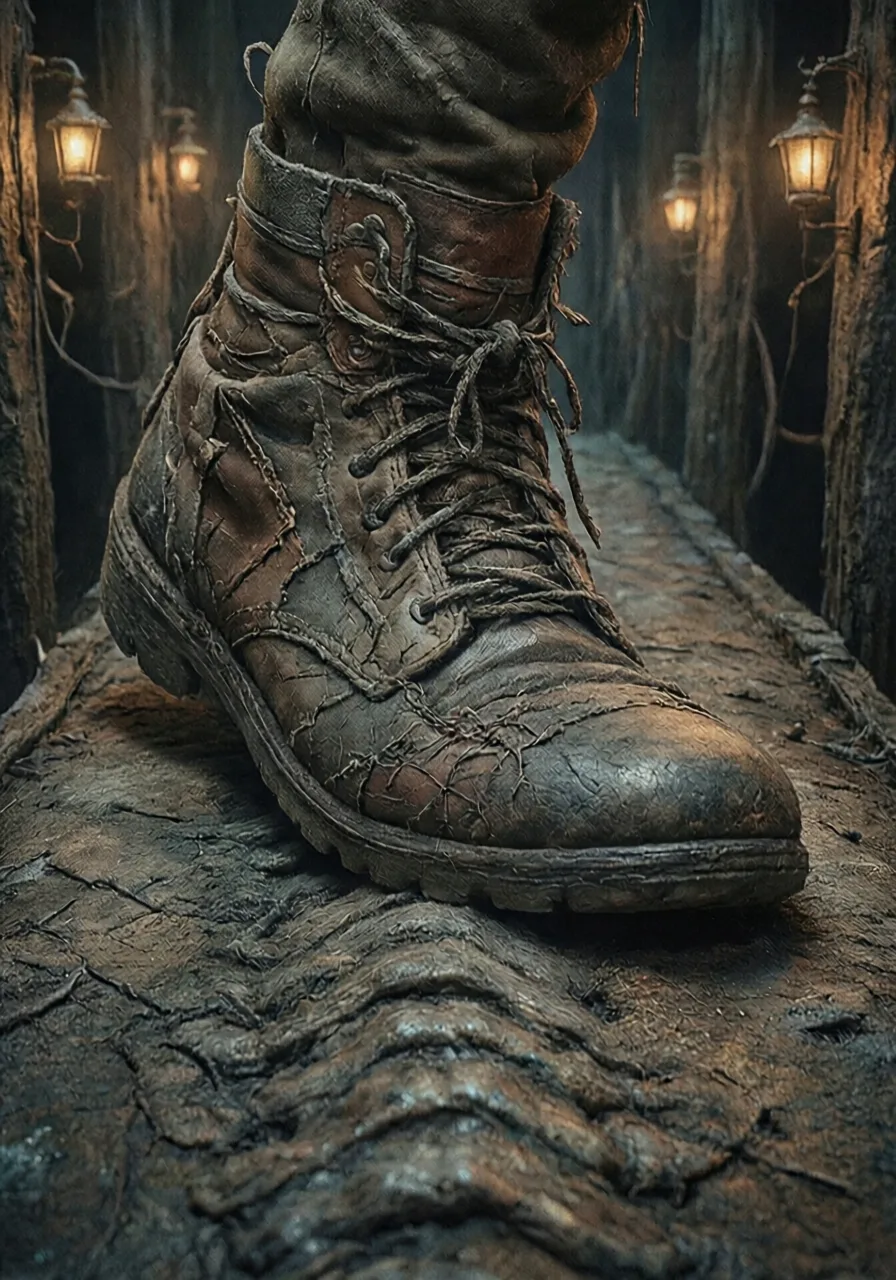
I walked the bridge in three nights. I did not look down. I did not look up. The bridge was warm under my boots. The bridge was the temperature of a body. At the fifth shard I stepped off. I did not thank the bridge. I do not know what would have constituted thanks.
Page 7

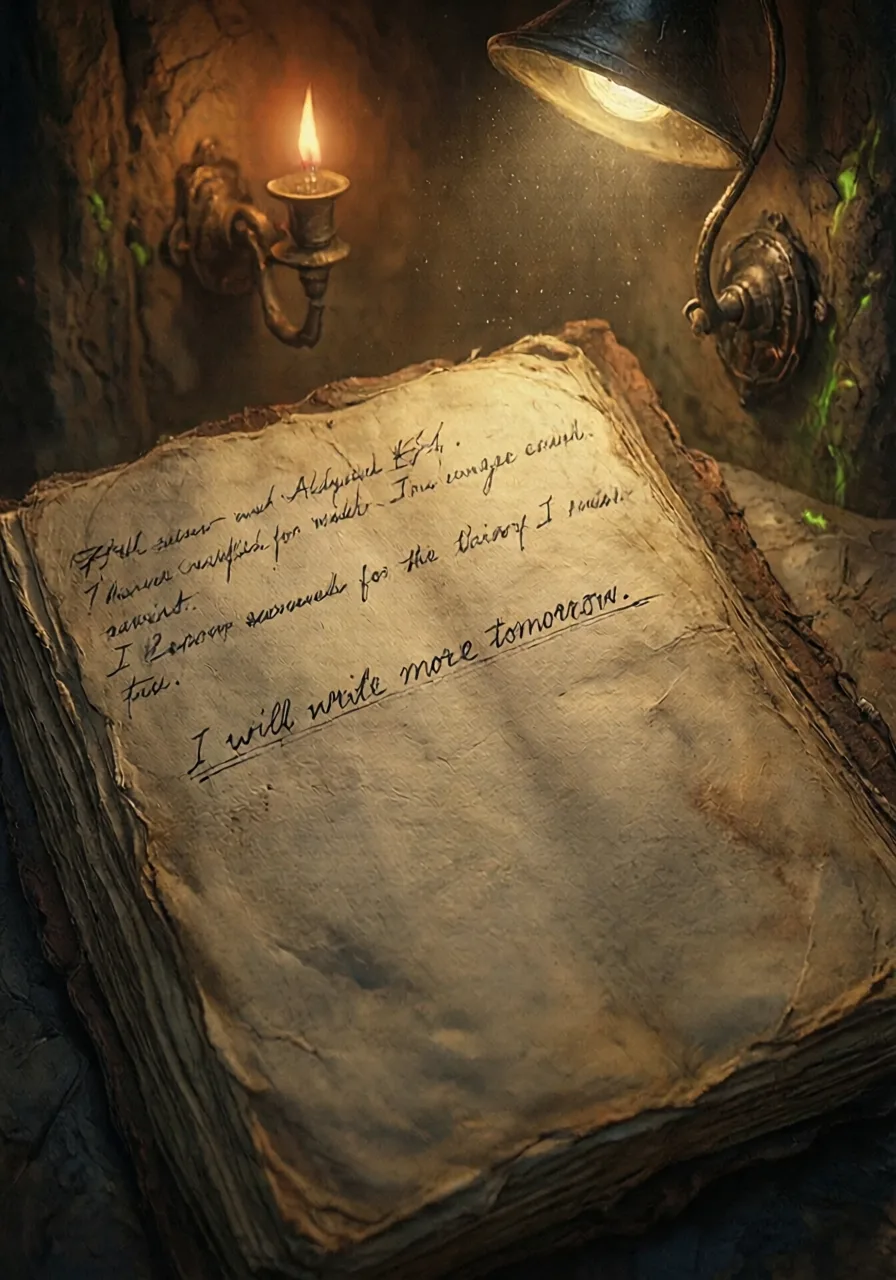
I will write more tomorrow.

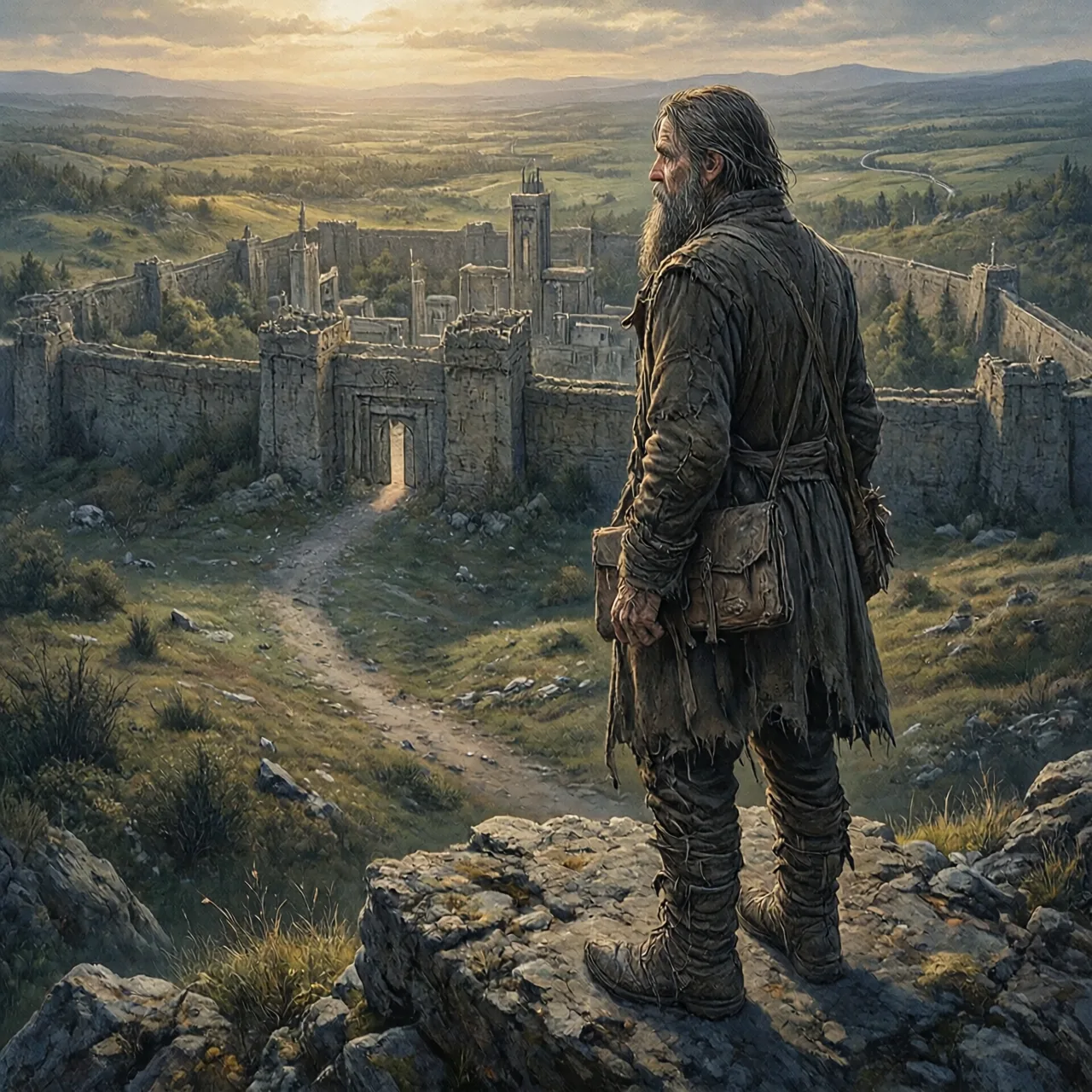
The eighth shard is the Laboratory. I see it from the rise above the south gate. The walls are stone. The walls have not been broken. The walls hold. I have walked for what I have walked. I no longer count. I have come for the thing I came for.
I will write more tomorrow.
Page 8

He did not write more.

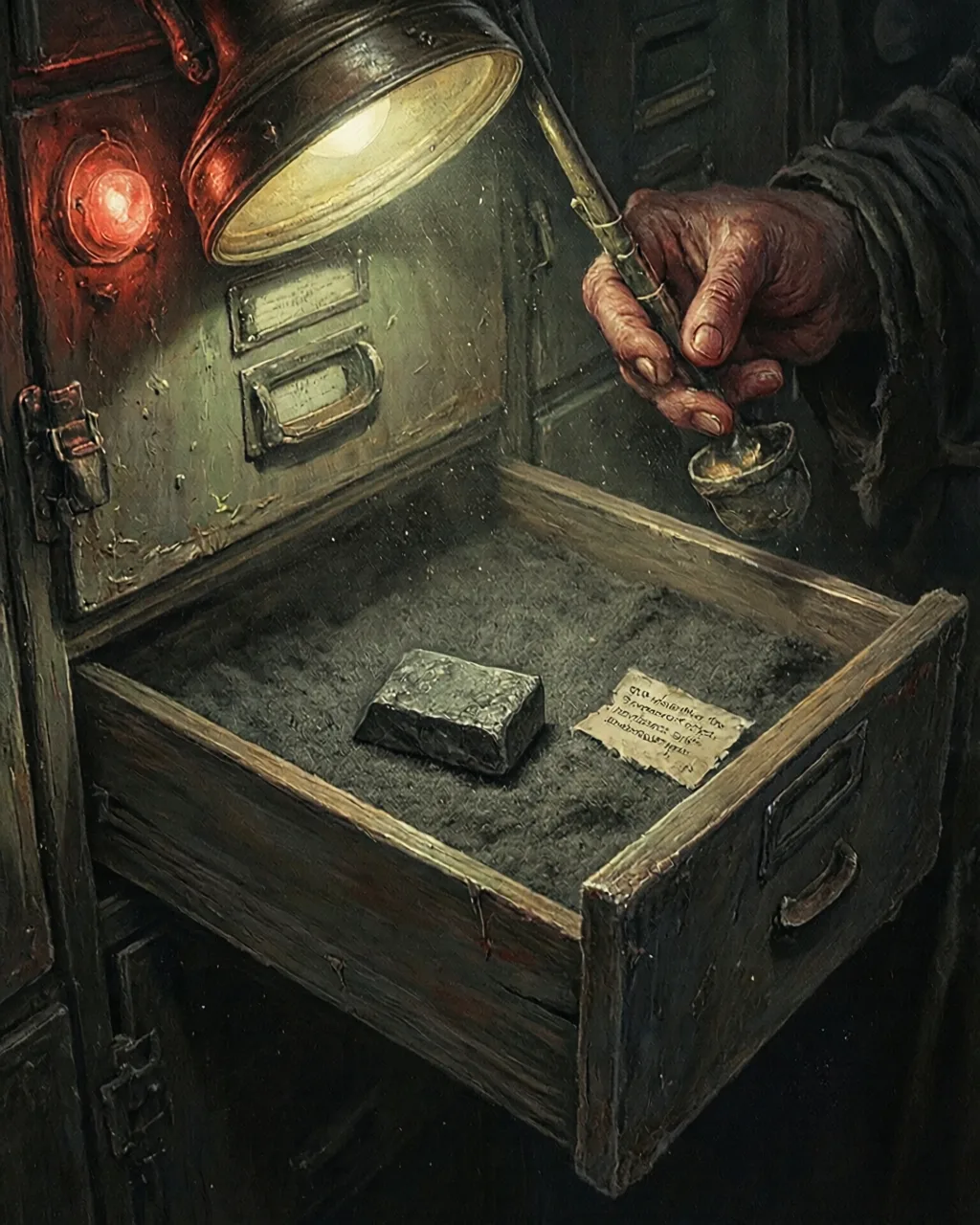
The Librarian has searched her records for any journey of this length recorded anywhere in the archive. She has not found one. She does not know what he came for. The item from his pocket is in her secure cabinet. She has not been able to identify it. It is small. It is heavy. The weight is inconsistent with the size.
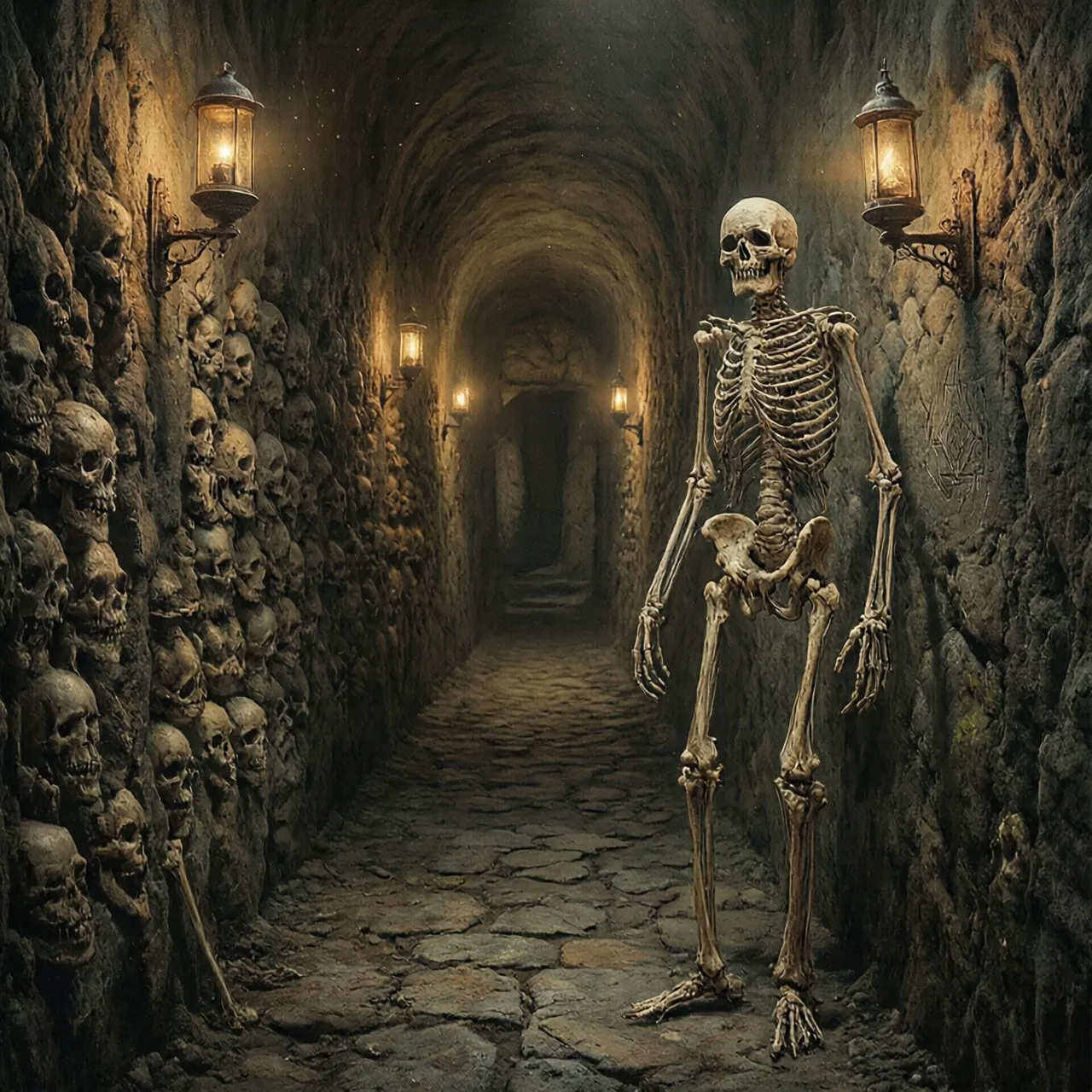
He is in the ossuary. The caretaker placed him at the eastern wall, in the position of a man standing. The position is not on the ossuary's standard plan. The caretaker has noted the position with a mark the Librarian has not seen elsewhere.
Page 9

I have read his entries again this evening.

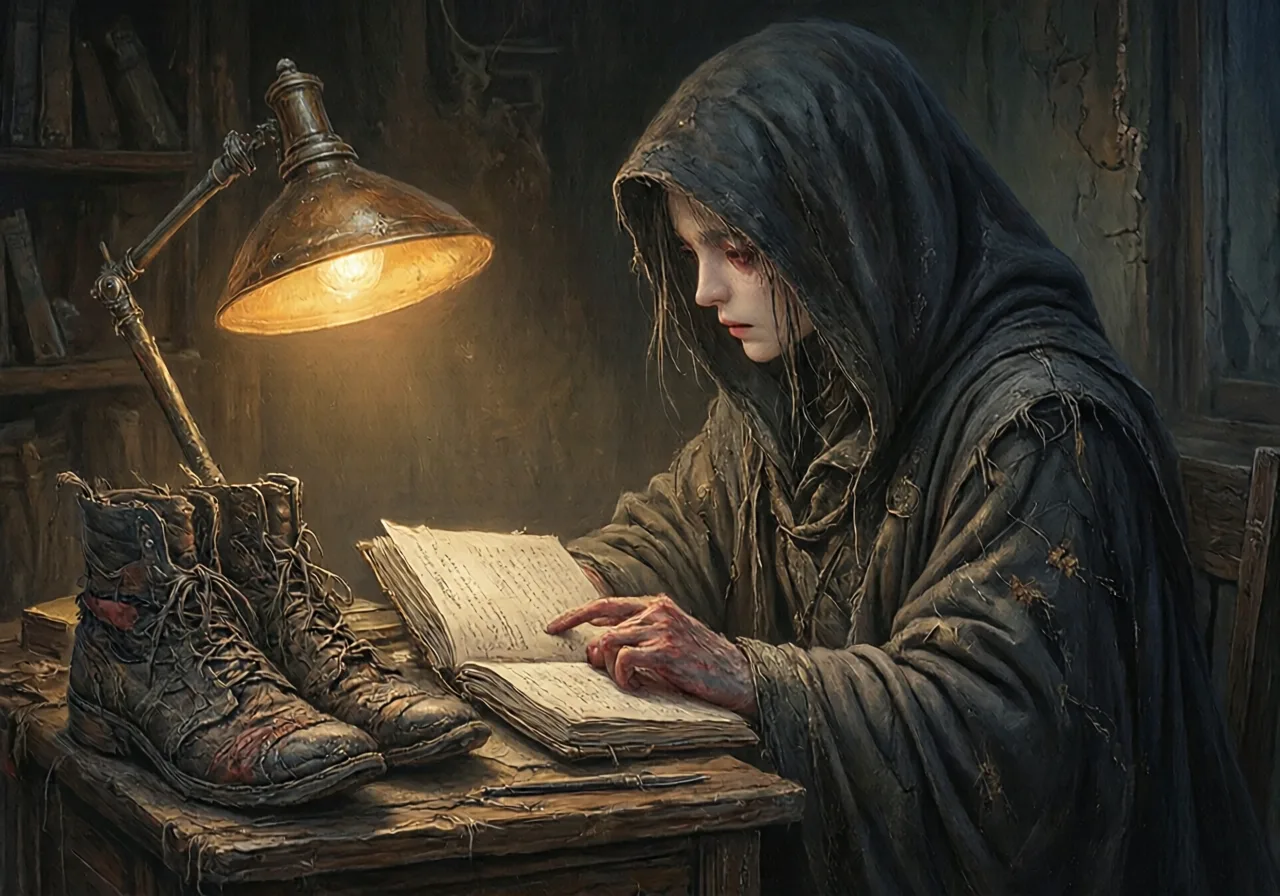
The journal is on the shelf where I keep the books I have read more than once. His boots are on the shelf beside the journal. They had been mended seven times. The eighth mending will not be done. I have read his entries again this evening. I will read them again.
He came a long way. I do not know who he was. I do not know what he came for. He walked. He arrived. He laid the journal down where I would find it. He did not write more.
— / —
narration auto-scrolls the prose

Section 0Frontmatter

# The Crossing

From the Catalogue of the Sixteenth Archivist, entry 5,847. Provenance: a leather-bound journal recovered from the Librarian's desk on a morning she cannot fix more precisely than "after the traveler's admission and before his death," the traveler's intake log entry from the south gate, the infirmary's examination log, and one item carried in the traveler's coat pocket. The item is not described in this entry.

He walked here from somewhere not in any record. He arrived at the south gate at the hour of the second bell. He was admitted to the infirmary at the hour of the third. He died the next day.

Section 1Section 1

The traveler has no name in any record the Librarian can access. He was not on the Order's expected-arrivals roster. He did not give his name at the gate. He could not. The gate-keeper does not record names travelers do not give.

The intake log records his physical condition. He was thin. He carried a journal in a leather case slung across his shoulder. He carried a single item in his coat pocket. His boots had been mended seven times. The leather of his belt had worn through and been replaced with cord. His beard had not been cut in years.

The infirmary's attending physician examined him and found no acute condition. The physician's note reads: the man is tired in a way I have not been able to measure. The fatigue is not in the body. The body is sound. He will die soon.

He died at the hour of the second bell on the day after his admission. The cause is not in the infirmary's record.

The journal appeared on the Librarian's desk the morning of his death. She does not know who placed it there.

Section 2Section 2

Fragment. From the journal. Date in a format the Librarian has not been able to reconcile with any calendar she knows. The hand is firm and angled left. The entries are in the same hand throughout, though the firmness varies.

The seventh village I crossed had a single rule. The rule was not spoken. I have written it as I learned it.

When the bell does not ring, no one speaks.

The bell sat at the center of the village. The bell was old. The clapper had been wired open. The bell did not ring, would not ring. The villagers moved around the silent bell.

They fed me. They tended my horse. They did not ask my name. They did not give me theirs. At meals we sat in silence. At work in the fields they used signs. The children learned the signs first. The children did not know that other people spoke.

I asked one of them, in writing, when the bell had last rung.

He wrote back: we do not know. Before us. The bell did not ring then. We do not know what it would call.

I left after three days. They did not see me off.

The bell did not ring.

Section 3Section 3

Fragment. Some weeks later, by the entry's own count.

In the salt valley I saw a creature that was the shape of a horse and was not a horse.

Its legs were longer than a horse's. Its head was a horse's head. The eyes were closed. The lids would not open. It did not stumble.

It did not see me but it knew where I stood. It paused when I held my breath. It moved when I moved.

I followed it for an hour. It walked at the same speed I walked. When I stopped, it stopped. When I sat, it stood. We watched each other across two hundred yards of salt.

I broke camp and went the other way. The creature did not follow. It stayed at the place where I had stopped.

I do not know what would have happened had I approached it. I did not look at it for long.

Section 4Section 4

Fragment. Later in the journal.

There is a place between the third and fourth shard where time does not run as it should.

I entered the place at noon. I walked half a day's distance. I exited the place at noon. The sun had not moved.

In the place, I aged. My beard grew. My boots wore. My provisions were consumed.

The road was the same. The day was the same. I was not.

Other travelers I have spoken to since have told me the place is known. They have told me it takes from those who pass through. What it takes is not given back.

I left a coin in the place, marked with the date. I did not return for it. I do not think the date would still be on it.

Section 5Section 5

Fragment. Later still.

Between the fourth shard and the fifth there is no road. There is no land. There is the void.

The crossing is by bridge. The bridge is not stone or rope. Someone laid himself down across the void. The bridge is what the void left of him. He is not named. He is the bridge.

I walked the bridge in three nights. I did not look down. I did not look up. The bridge was warm under my boots. The bridge was the temperature of a body.

At the fifth shard I stepped off. I did not thank the bridge. I do not know what would have constituted thanks.

I have written this here because I have not been able to write it elsewhere.

Section 6Section 6

Fragment. The last journal entry. The hand is unsteady.

The eighth shard is the Laboratory. I see it from the rise above the south gate. The walls are stone. The walls have not been broken. The walls hold.

I have walked for what I have walked. I no longer count.

I have come for the thing I came for.

I will write more tomorrow.

Section 7Section 7

He did not write more.

The journal contains thirty-one further entries beyond those the Librarian has reproduced. She has read them all. They describe other crossings, other villages, other creatures, other places where time bent. The entries do not name what the traveler was looking for. They do not describe a quest, or a charge, or an obligation.

The Librarian has searched her records for any journey of this length recorded anywhere in the archive. She has not found one. She has searched the Order's reports of contact with the outer shards. The reports do not match the traveler's descriptions. The reports describe places the traveler did not visit. The traveler describes places the reports do not name.

She does not know what he came for. The item from his pocket is in her secure cabinet. She has not been able to identify it. It is small. It is heavy. The weight is inconsistent with the size.

He is in the ossuary. The caretaker placed him at the eastern wall, in the position of a man standing. The position is not on the ossuary's standard plan. The caretaker has noted the position with a mark the Librarian has not seen elsewhere.

Entry 5,847, final annotation.

"He came a long way. The journal records what it records.

I do not know who he was. I do not know what he came for. The infirmary did not catalogue a cause. The bell at the south gate rang for him on his arrival; it did not ring on his death.

The item from his pocket is in the cabinet I do not re-open.

The journal is on the shelf where I keep the books I have read more than once.

He walked. He arrived. He laid the journal down where I would find it. He did not write more.

His boots are on the shelf beside the journal. They had been mended seven times. The eighth mending will not be done.

I have read his entries again this evening. I will read them again."
Section 0Frontmatter

# The Crossing

From the Catalogue of the Sixteenth Archivist, entry 5,847. Provenance: a leather-bound journal recovered from the Librarian's desk on a morning she cannot fix more precisely than "after the traveler's admission and before his death," the traveler's intake log entry from the south gate, the infirmary's examination log, and one item carried in the traveler's coat pocket. The item is not described in this entry.

He walked here from somewhere not in any record. He arrived at the south gate at the hour of the second bell. He was admitted to the infirmary at the hour of the third. He died the next day.

Section 1Section 1

The traveler has no name in any record the Librarian can access. He was not on the Order's expected-arrivals roster. He did not give his name at the gate. He could not. The gate-keeper does not record names travelers do not give.

The intake log records his physical condition. He was thin. He carried a journal in a leather case slung across his shoulder. He carried a single item in his coat pocket. His boots had been mended seven times. The leather of his belt had worn through and been replaced with cord. His beard had not been cut in years.

The infirmary's attending physician examined him and found no acute condition. The physician's note reads: the man is tired in a way I have not been able to measure. The fatigue is not in the body. The body is sound. He will die soon.

He died at the hour of the second bell on the day after his admission. The cause is not in the infirmary's record.

The journal appeared on the Librarian's desk the morning of his death. She does not know who placed it there.

Section 2Section 2

Fragment. From the journal. Date in a format the Librarian has not been able to reconcile with any calendar she knows. The hand is firm and angled left. The entries are in the same hand throughout, though the firmness varies.

The seventh village I crossed had a single rule. The rule was not spoken. I have written it as I learned it.

When the bell does not ring, no one speaks.

The bell sat at the center of the village. The bell was old. The clapper had been wired open. The bell did not ring, would not ring. The villagers moved around the silent bell.

They fed me. They tended my horse. They did not ask my name. They did not give me theirs. At meals we sat in silence. At work in the fields they used signs. The children learned the signs first. The children did not know that other people spoke.

I asked one of them, in writing, when the bell had last rung.

He wrote back: we do not know. Before us. The bell did not ring then. We do not know what it would call.

I left after three days. They did not see me off.

The bell did not ring.

Section 3Section 3

Fragment. Some weeks later, by the entry's own count.

In the salt valley I saw a creature that was the shape of a horse and was not a horse.

Its legs were longer than a horse's. Its head was a horse's head. The eyes were closed. The lids would not open. It did not stumble.

It did not see me but it knew where I stood. It paused when I held my breath. It moved when I moved.

I followed it for an hour. It walked at the same speed I walked. When I stopped, it stopped. When I sat, it stood. We watched each other across two hundred yards of salt.

I broke camp and went the other way. The creature did not follow. It stayed at the place where I had stopped.

I do not know what would have happened had I approached it. I did not look at it for long.

Section 4Section 4

Fragment. Later in the journal.

There is a place between the third and fourth shard where time does not run as it should.

I entered the place at noon. I walked half a day's distance. I exited the place at noon. The sun had not moved.

In the place, I aged. My beard grew. My boots wore. My provisions were consumed.

The road was the same. The day was the same. I was not.

Other travelers I have spoken to since have told me the place is known. They have told me it takes from those who pass through. What it takes is not given back.

I left a coin in the place, marked with the date. I did not return for it. I do not think the date would still be on it.

Section 5Section 5

Fragment. Later still.

Between the fourth shard and the fifth there is no road. There is no land. There is the void.

The crossing is by bridge. The bridge is not stone or rope. Someone laid himself down across the void. The bridge is what the void left of him. He is not named. He is the bridge.

I walked the bridge in three nights. I did not look down. I did not look up. The bridge was warm under my boots. The bridge was the temperature of a body.

At the fifth shard I stepped off. I did not thank the bridge. I do not know what would have constituted thanks.

I have written this here because I have not been able to write it elsewhere.

Section 6Section 6

Fragment. The last journal entry. The hand is unsteady.

The eighth shard is the Laboratory. I see it from the rise above the south gate. The walls are stone. The walls have not been broken. The walls hold.

I have walked for what I have walked. I no longer count.

I have come for the thing I came for.

I will write more tomorrow.

Section 7Section 7

He did not write more.

The journal contains thirty-one further entries beyond those the Librarian has reproduced. She has read them all. They describe other crossings, other villages, other creatures, other places where time bent. The entries do not name what the traveler was looking for. They do not describe a quest, or a charge, or an obligation.

The Librarian has searched her records for any journey of this length recorded anywhere in the archive. She has not found one. She has searched the Order's reports of contact with the outer shards. The reports do not match the traveler's descriptions. The reports describe places the traveler did not visit. The traveler describes places the reports do not name.

She does not know what he came for. The item from his pocket is in her secure cabinet. She has not been able to identify it. It is small. It is heavy. The weight is inconsistent with the size.

He is in the ossuary. The caretaker placed him at the eastern wall, in the position of a man standing. The position is not on the ossuary's standard plan. The caretaker has noted the position with a mark the Librarian has not seen elsewhere.

Entry 5,847, final annotation.

"He came a long way. The journal records what it records.

I do not know who he was. I do not know what he came for. The infirmary did not catalogue a cause. The bell at the south gate rang for him on his arrival; it did not ring on his death.

The item from his pocket is in the cabinet I do not re-open.

The journal is on the shelf where I keep the books I have read more than once.

He walked. He arrived. He laid the journal down where I would find it. He did not write more.

His boots are on the shelf beside the journal. They had been mended seven times. The eighth mending will not be done.

I have read his entries again this evening. I will read them again."
Page 1

He arrived at the hour of the second bell.

He walked here from somewhere not in any record. He arrived at the south gate at the hour of the second bell. He did not give his name at the gate. He could not. The gate-keeper does not record names travelers do not give.
He was thin. He carried a journal in a leather case slung across his shoulder. He carried a single item in his coat pocket. His boots had been mended seven times. The leather of his belt had worn through and been replaced with cord. His beard had not been cut in years.
He was admitted to the infirmary at the hour of the third bell. The infirmary's attending physician examined him and found no acute condition. The physician's note reads: the man is tired in a way I have not been able to measure. The fatigue is not in the body. The body is sound. He will die soon.
Page 2

She does not know who placed it there.

He died at the hour of the second bell on the day after his admission. The cause is not in the infirmary's record. The journal appeared on the Librarian's desk the morning of his death. She does not know who placed it there.
She lifted the journal. The leather was warm with the morning. The cover bore no name. The cover bore no inscription. She opened it.
Page 3

When the bell does not ring, no one speaks.

The seventh village I crossed had a single rule. The rule was not spoken. I have written it as I learned it. When the bell does not ring, no one speaks. The bell sat at the centre of the village. The bell was old. The clapper had been wired open. The bell did not ring, would not ring.
I asked one of them, in writing, when the bell had last rung. He wrote back: we do not know. Before us. The bell did not ring then. We do not know what it would call. I left after three days. They did not see me off. The bell did not ring.
Page 4

The shape of a horse and was not a horse.

In the salt valley I saw a creature that was the shape of a horse and was not a horse. Its legs were longer than a horse's. Its head was a horse's head. The eyes were closed. The lids would not open. It did not stumble. It did not see me but it knew where I stood. It paused when I held my breath. It moved when I moved.
I followed it for an hour. It walked at the same speed I walked. When I stopped, it stopped. When I sat, it stood. We watched each other across two hundred yards of salt. I broke camp and went the other way. The creature did not follow.
Page 5

The sun had not moved.

There is a place between the third and fourth shard where time does not run as it should. I entered the place at noon. I walked half a day's distance. I exited the place at noon. The sun had not moved. In the place, I aged. My beard grew. My boots wore. My provisions were consumed. The road was the same. The day was the same. I was not.
Other travellers I have spoken to since have told me the place is known. They have told me it takes from those who pass through. What it takes is not given back. I left a coin in the place, marked with the date. I did not return for it. I do not think the date would still be on it.
Page 6

The bridge is what the void left of him.

Between the fourth shard and the fifth there is no road. There is no land. There is the void. The crossing is by bridge. The bridge is not stone or rope. Someone laid himself down across the void. The bridge is what the void left of him. He is not named. He is the bridge.
I walked the bridge in three nights. I did not look down. I did not look up. The bridge was warm under my boots. The bridge was the temperature of a body. At the fifth shard I stepped off. I did not thank the bridge. I do not know what would have constituted thanks.
Page 7

I will write more tomorrow.

The eighth shard is the Laboratory. I see it from the rise above the south gate. The walls are stone. The walls have not been broken. The walls hold. I have walked for what I have walked. I no longer count. I have come for the thing I came for.
I will write more tomorrow.
Page 8

He did not write more.

The Librarian has searched her records for any journey of this length recorded anywhere in the archive. She has not found one. She does not know what he came for. The item from his pocket is in her secure cabinet. She has not been able to identify it. It is small. It is heavy. The weight is inconsistent with the size.
He is in the ossuary. The caretaker placed him at the eastern wall, in the position of a man standing. The position is not on the ossuary's standard plan. The caretaker has noted the position with a mark the Librarian has not seen elsewhere.
Page 9

I have read his entries again this evening.

The journal is on the shelf where I keep the books I have read more than once. His boots are on the shelf beside the journal. They had been mended seven times. The eighth mending will not be done. I have read his entries again this evening. I will read them again.
He came a long way. I do not know who he was. I do not know what he came for. He walked. He arrived. He laid the journal down where I would find it. He did not write more.

Listen ModeClick a section to begin listening

The chronicle plays section by section in the Librarian's voice. As each section plays, the corresponding pages of the comic are highlighted. Switch to Scroll, Flip, Prose, or Split at any time — the audio continues, and you can follow visually.