All Comics
Entry 10,904

THE VISIONARIES

Provenance: a personnel register from the Order's Sanctum with the dates of death filled in at the time of onset, a physician's log covering thirteen examinations, and four accounts written by the subjects themselves. The Librarian has verified that the handwriting in the register matches no hand in the Order's personnel files. The register was produced by no one who worked in the Sanctum.
Thirteen people saw something. The Order believed it was the future.
Full chronicle
Page 1

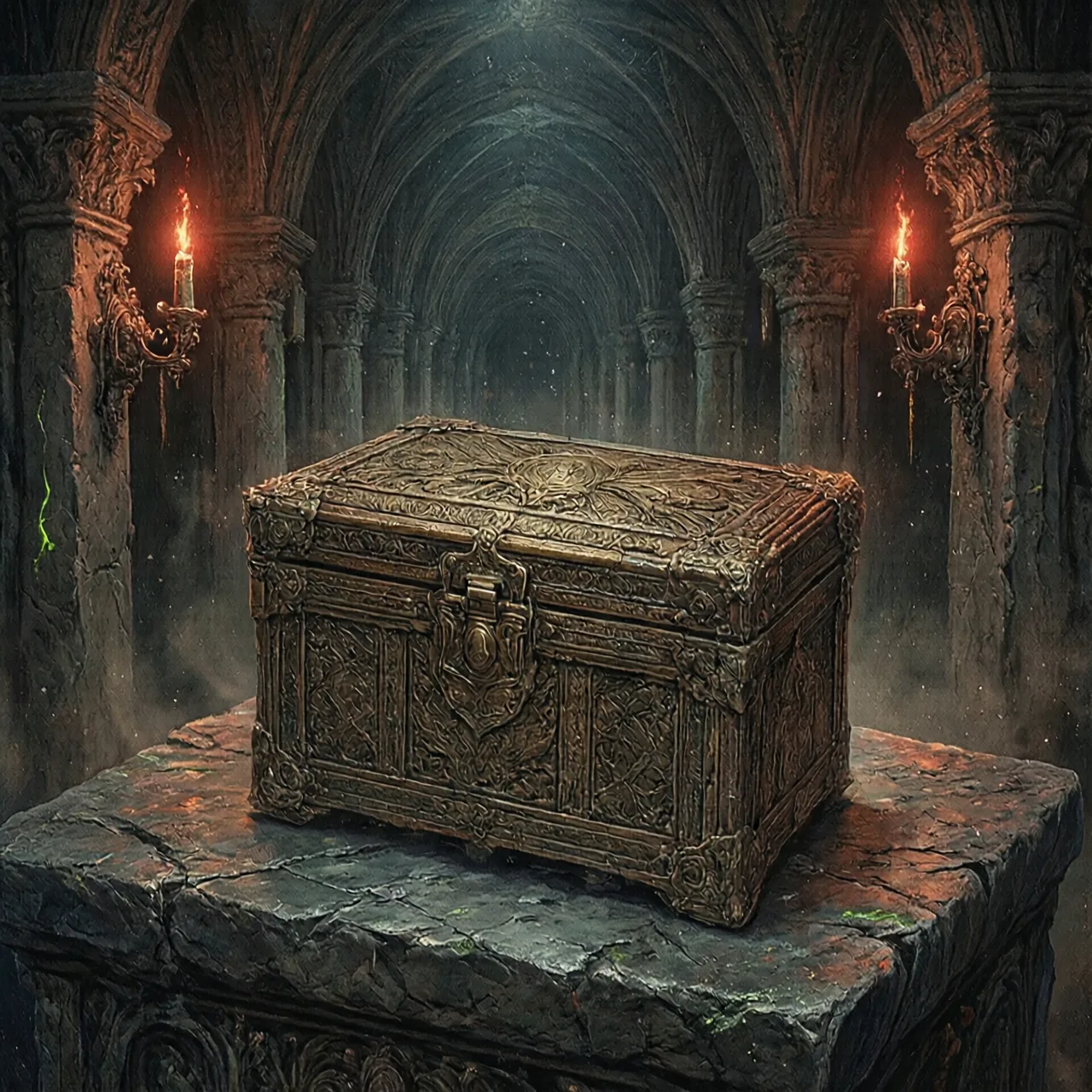
The case opened on its own.

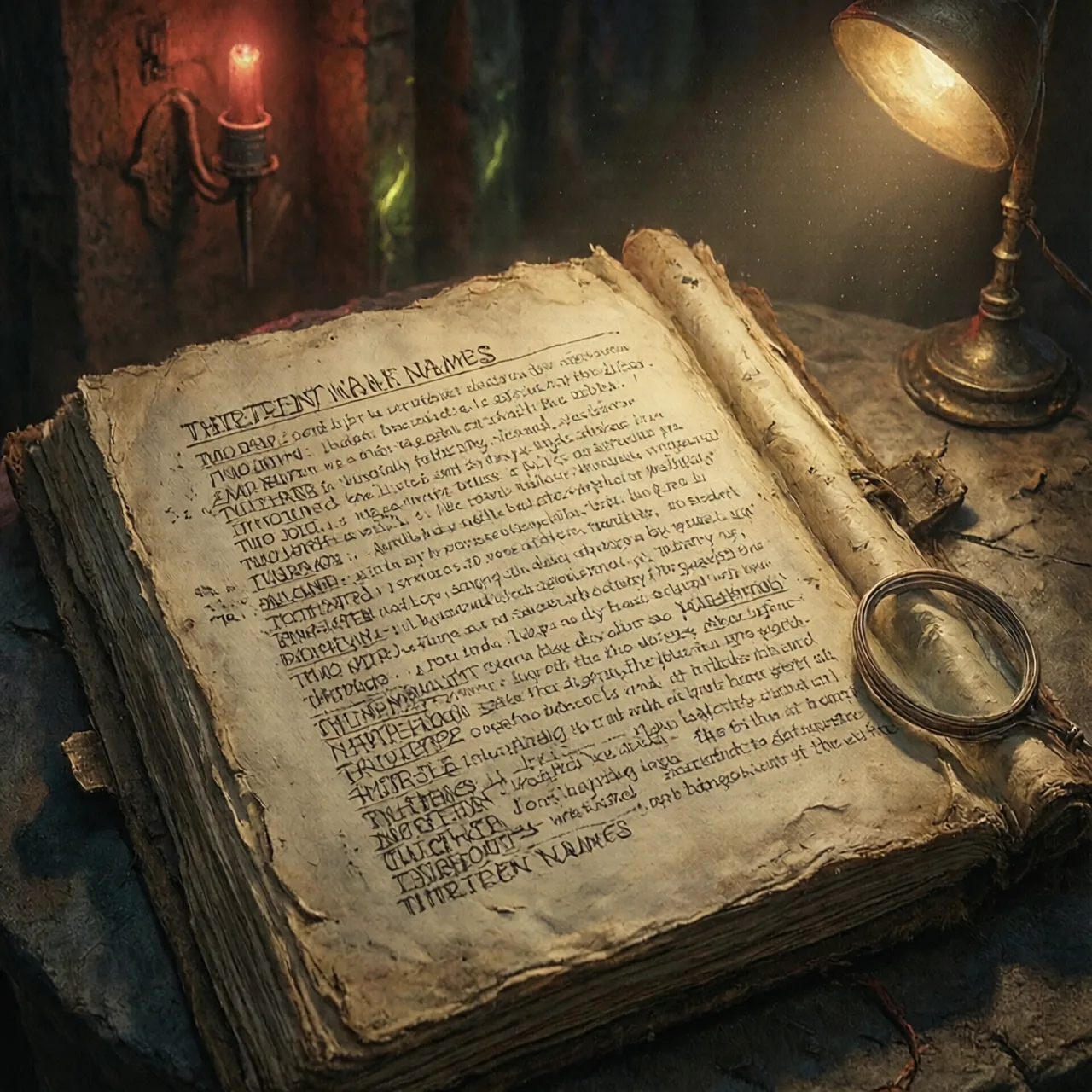
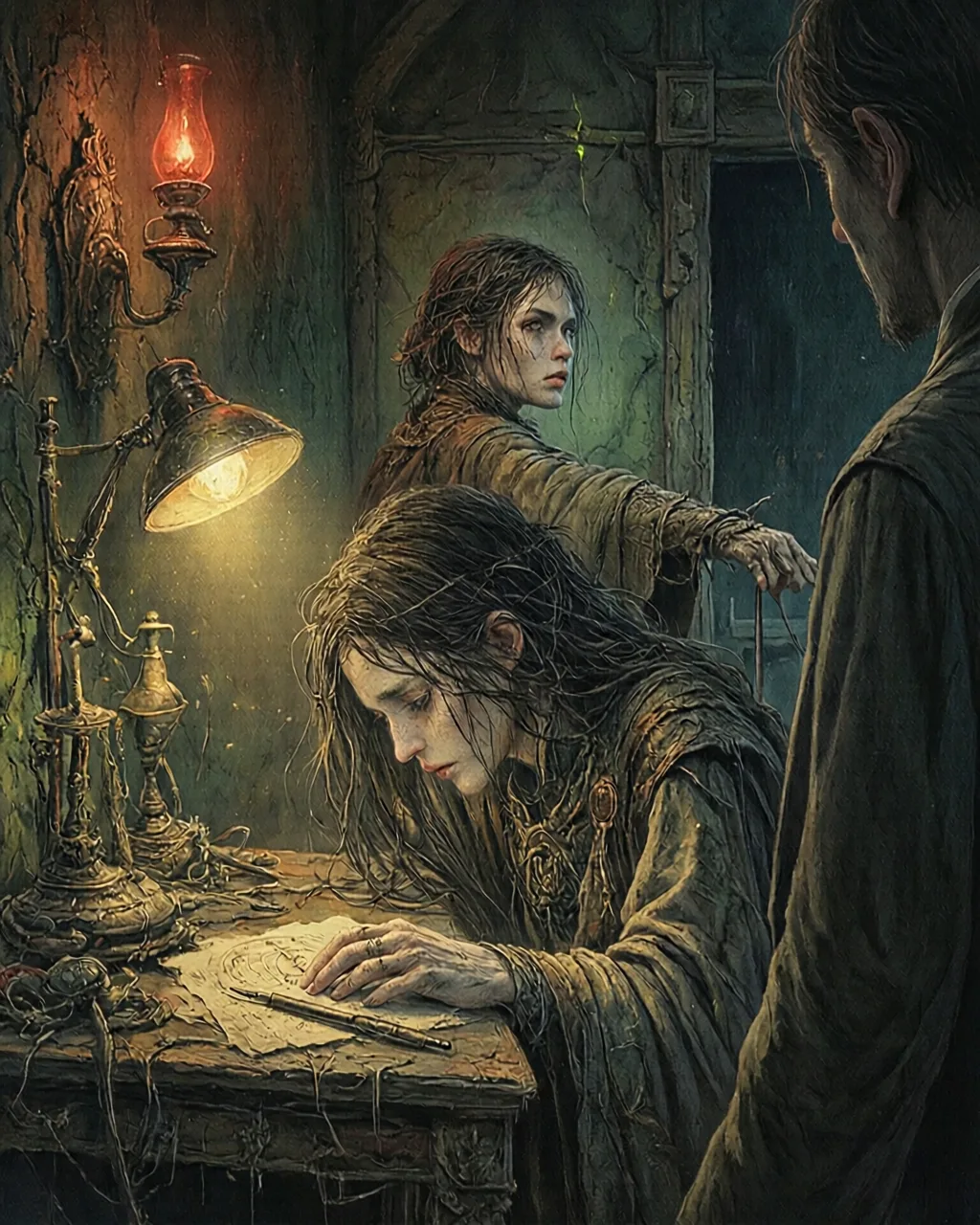
The register lists thirteen names. Each name has a date of onset and a date of death. The dates of death were recorded on the same day as the onsets. The deaths occurred later, each on the predicted date, within a window of hours. The register was not filled in by the physician. His log refers to it as supplied — delivered to the Sanctum before the first oracle appeared, sealed in a case the Order could not open until the first onset.
The case opened on its own. Inside: a bound volume listing thirteen names the Order did not yet employ, onset dates spanning the next fourteen months, and a final column of death dates that would not be relevant for some time.
Inside: a bound volume listing thirteen names the Order did not yet employ, onset dates spanning the next fourteen months, and a final column of death dates that would not be relevant for some time. The Order treated the register as prophecy. The physician, in his log, refers to it as an instruction.
Page 2

He spoke of it as a memory.

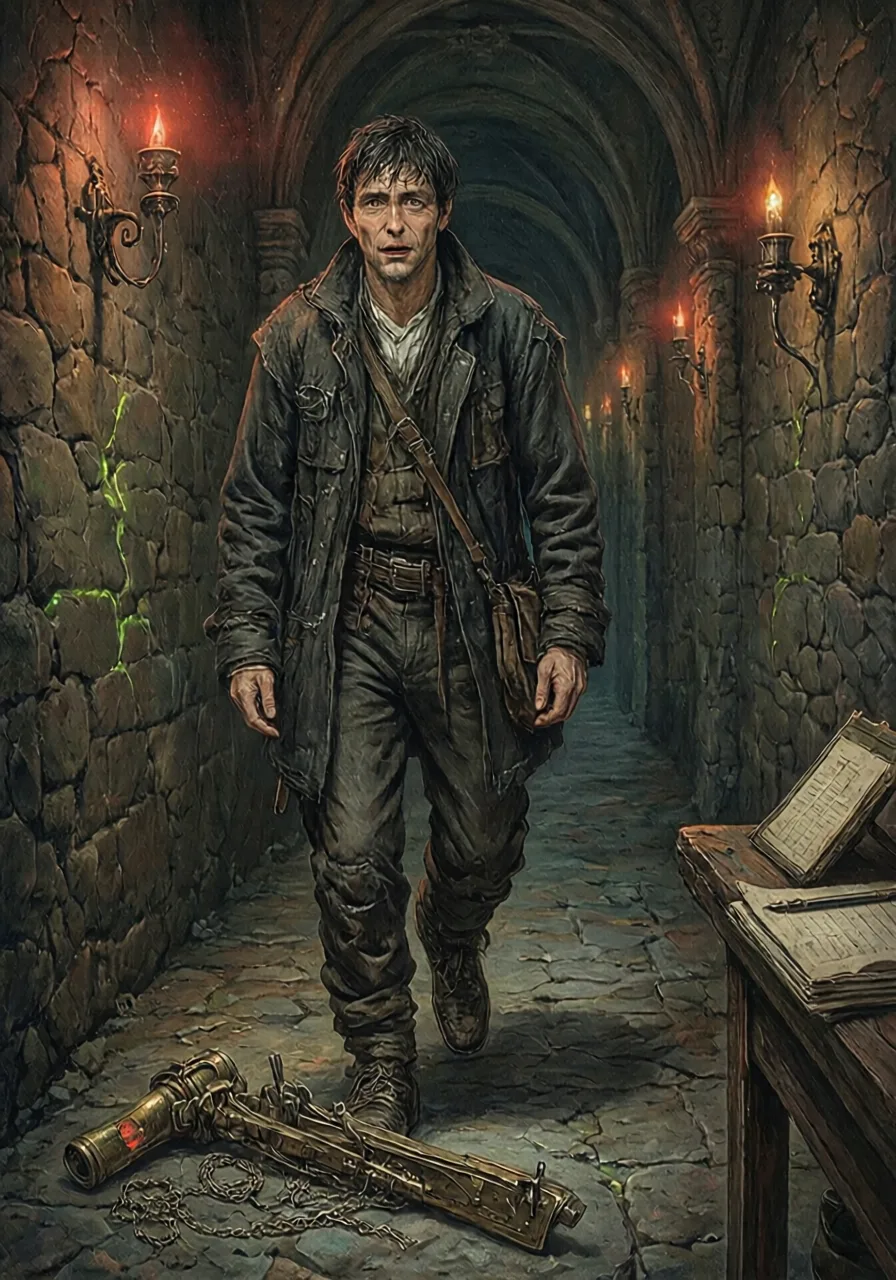
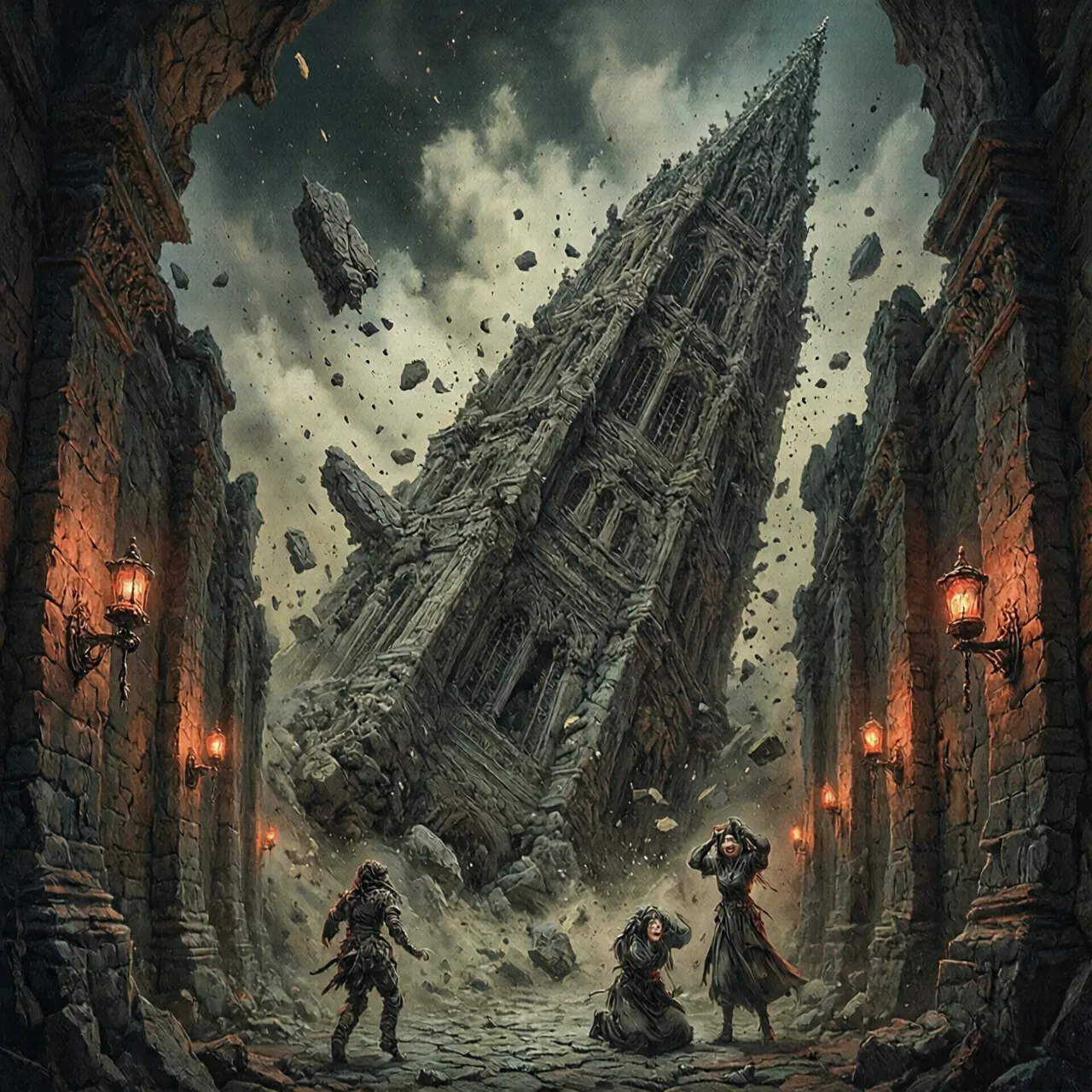
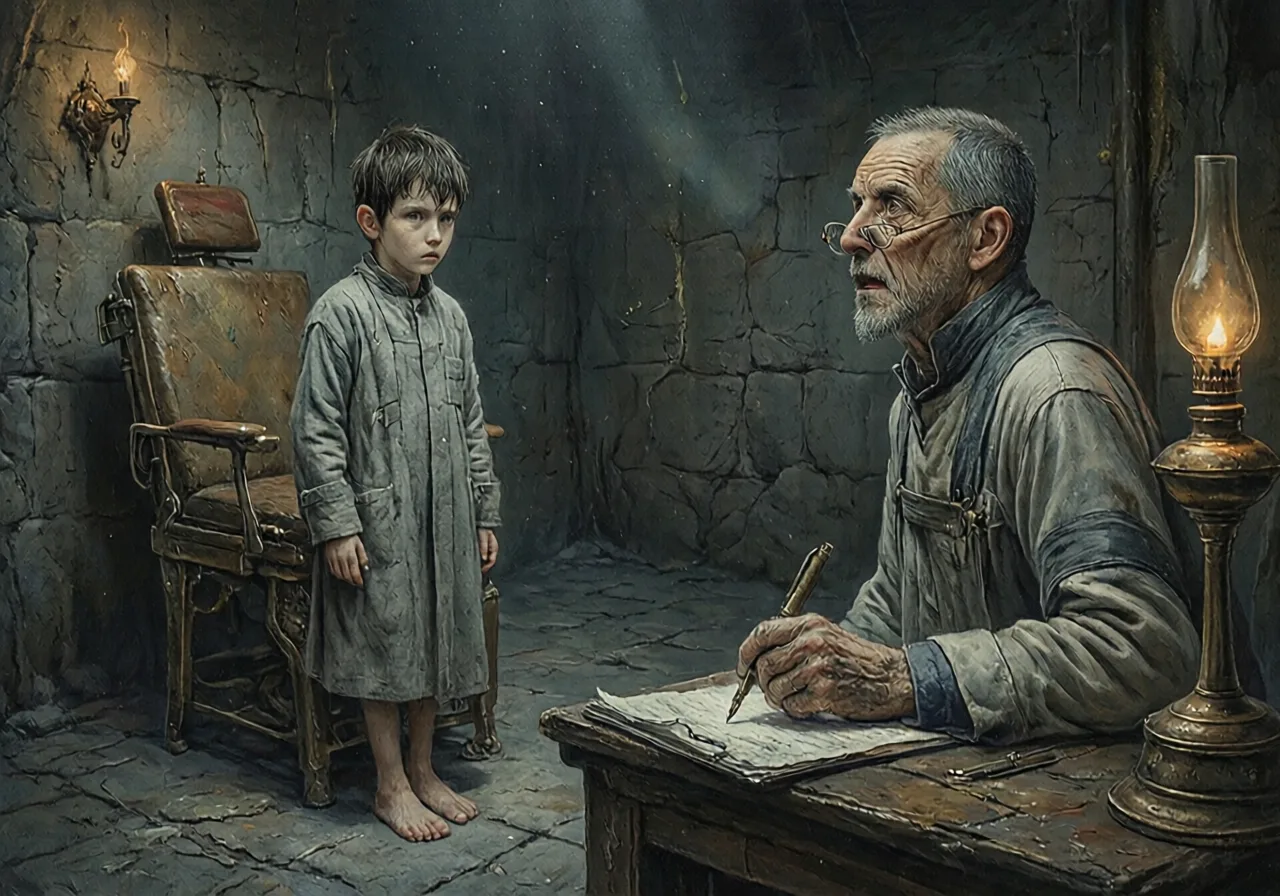
The first oracle was a surveyor named Edden. He stopped mid-stride in the lower Sanctum, set down his instruments, and spoke for eleven minutes. He described the collapse of the eastern spire — the angle of failure, the sequence of fractures, the number of people in the corridor below, the direction the dust traveled. He described it in the past tense.
Edden did not speak of his vision as a premonition. He spoke of it as a memory. When asked whether he had been to the eastern spire, he said he had been there as recently as an hour ago. He had not left the drainage fault in six hours. The spire collapsed nine days later. The details matched. I was there. The scribe keeps asking me if I saw the future. I did not see. I was standing in the corridor when the ceiling came down.
Edden died forty-three days after the onset. He was sitting at his surveyor's desk. His instruments were arranged in front of him. His hands were in his lap. His partner found him in the morning and thought he was asleep. The physician examined him for two hours. He recorded no cause. The body was intact. The body was warm.
Page 3

The chart resolves.

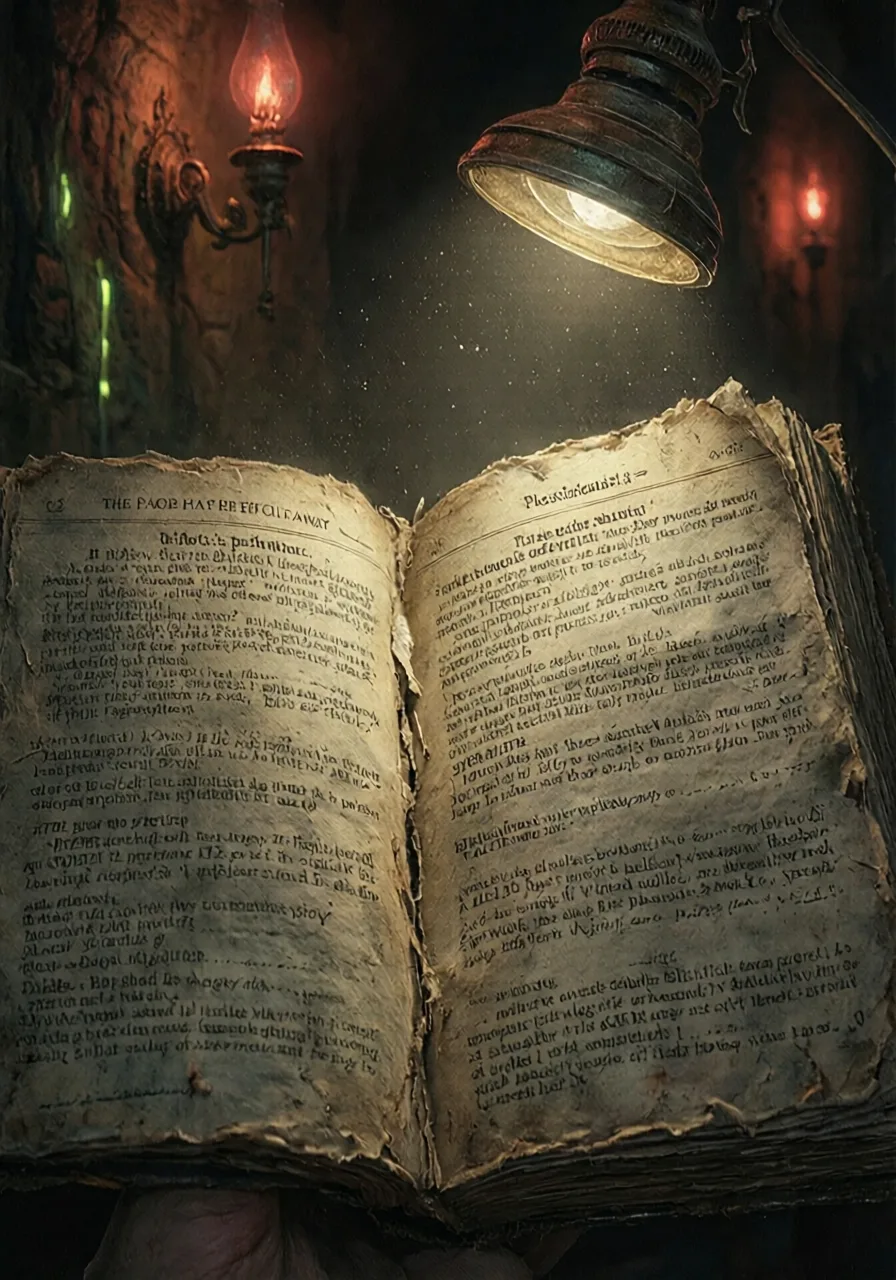
By the fifth oracle, the physician was cross-referencing. He assembled a chart. The visions resolved into a single continuous account — in an order that matched neither their onsets nor their fulfillments. The account described a single event. The eastern spire, the fire in the western stacks, the collapse of the second ring of the Orrery, the death of a man in a corridor — the Order had catalogued these as separate fulfillments. They were moments of the same thing.
The oracles are not predicting. Edden's footnote confirmed it. The scribe corrected a tense that was not an error. They are remembering. The chart shows the memories are not discrete. They are moments of a single event — a catastrophe that has not begun in our timeline. In theirs it has ended. I suspect the catastrophe has already happened, and we are living inside its duration, and the oracles are simply closer to the conclusion than the rest of us.
The physician did not show the chart to the Order. He sealed it in the same case the register had arrived in. The case accepted the chart. The case closed on its own.
Page 4

I cannot arrange these in order.

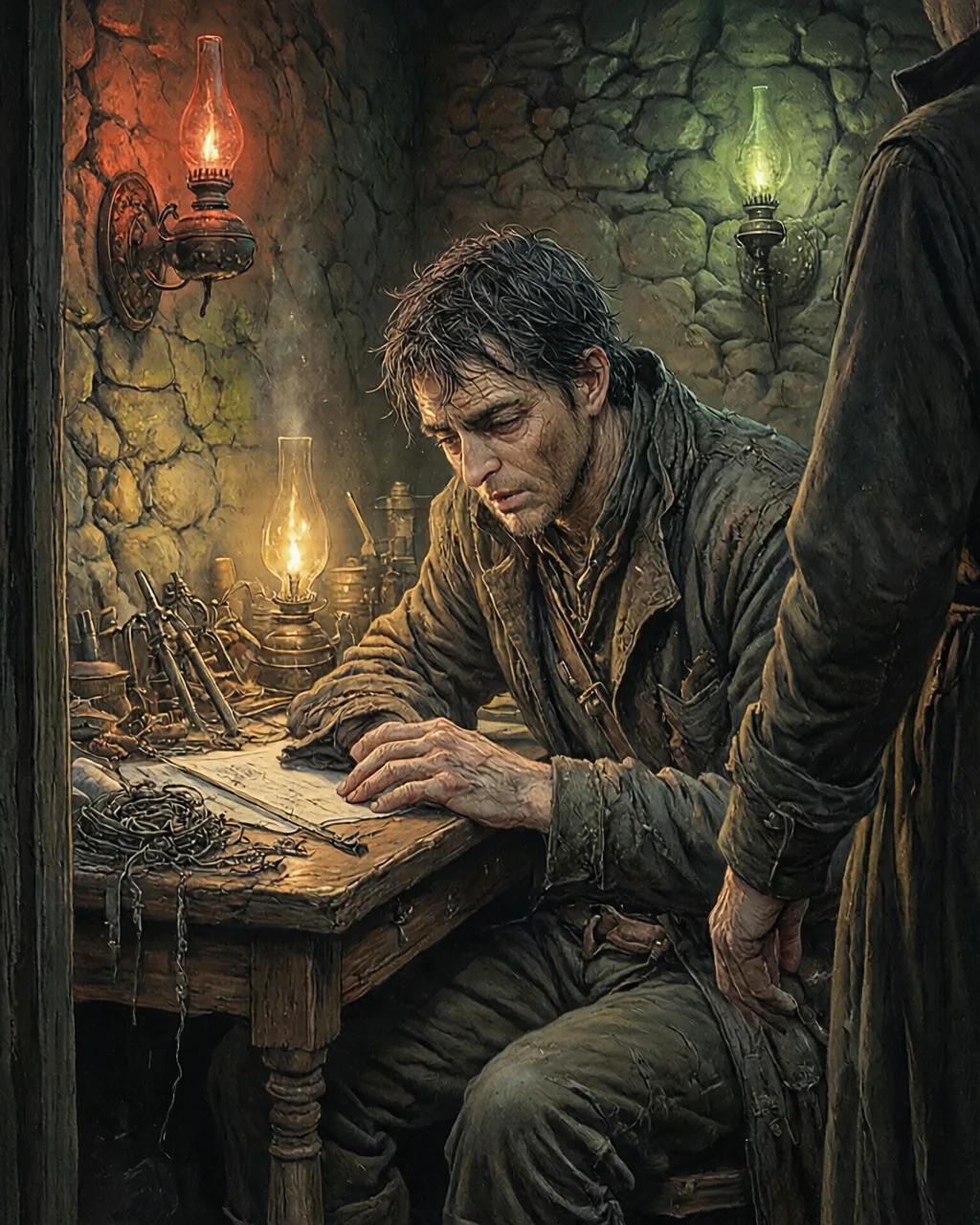
I saw the Orrery. I have never been to the Orrery. I was standing on the third ring and the amber body was passing overhead and the second ring was empty because it had been shattered fourteen days earlier. I know this because I shattered it. I do not remember deciding to. I remember doing it. I remember the reason. The reason will be correct in fourteen days when I do it.
The physician asked me why I would shatter the second ring. I told him. He wrote it down. He asked me to rest. I am very tired. The tiredness is not mine. It belongs to the woman standing on the third ring looking at the aftermath. When she is done looking I will be done with her. The scribe has asked me to arrange these in order. I cannot.
The death dates held. The first oracle died at the position the chart showed him occupying. The second at hers. The physician updated the chart each time. The positions formed a pattern the onsets and deaths did not.
Page 5

The child described the Librarian.

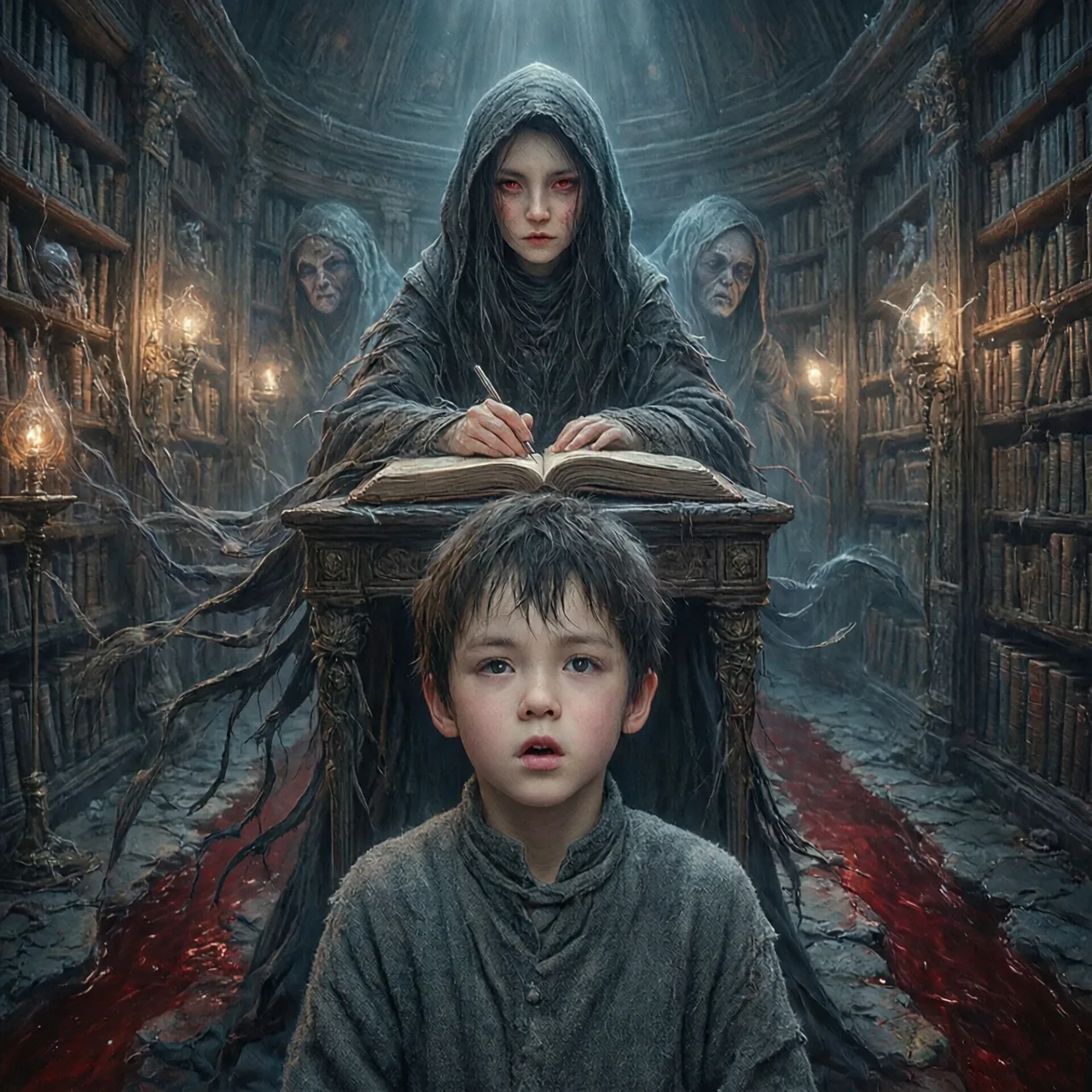
The thirteenth oracle was a child. The register lists no name. The physician's log lists no age. The child had been left at the Sanctum by a traveler who did not leave a name either. The child did not speak. The Order assumed the child could not. On the morning of the thirteenth onset, the child opened its mouth and spoke for four minutes.
The child described the end of the catastrophe. Not the end the chart had predicted. The chart had projected the thirteenth position as a final cascade. The child did not describe this. The child described what came after. The stillness. The Laboratory as it now stands. The archive. The shelves. The corridors where the pumps would run. The woman at the desk. The child described the Librarian.
The page in the physician's log where this description was recorded has been removed. The cut is clean. The pages before and after are intact. The child died that evening. The register's date was correct. The catastrophe has not yet begun in our timeline. All thirteen are dead. The catastrophe has not occurred. Or it has occurred and we are inside its duration, and the oracles were the last witnesses to remember it from the other side.
— / —
narration auto-scrolls the prose

Section 0Frontmatter

# The Visionaries

From the Catalogue of the Sixteenth Archivist, entry 10,904. Provenance: a personnel register from the Order's Sanctum with the dates of death filled in at the time of onset, a physician's log covering thirteen examinations, and four accounts written by the subjects themselves. The Librarian has verified that the handwriting in the register matches no hand in the Order's personnel files. The register was produced by no one who worked in the Sanctum.

Thirteen people saw something. The Order believed it was the future.

Section 1Section 1

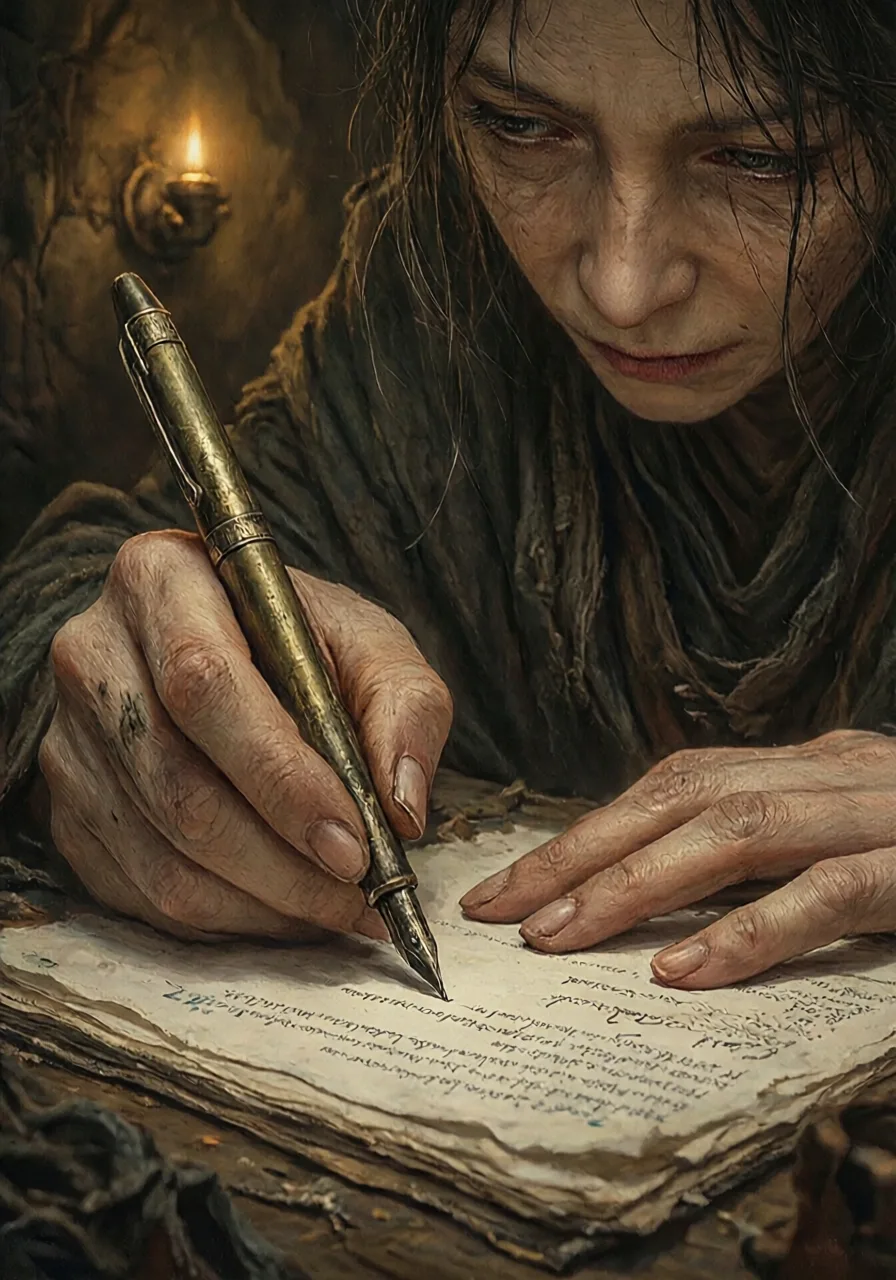
The register lists thirteen names. Each name has a date of onset and a date of death. The dates of death were recorded on the same day as the onsets. The deaths occurred later, each on the predicted date, within a window of hours.

The register was not filled in by the physician. His log refers to it as supplied — delivered to the Sanctum before the first oracle appeared, sealed in a case the Order could not open until the first onset. The case opened on its own. Inside: a bound volume listing thirteen names the Order did not yet employ, onset dates spanning the next fourteen months, and a final column of death dates that would not be relevant for some time.

The Order treated the register as prophecy. The physician, in his log, refers to it as an instruction.

Section 2Section 2

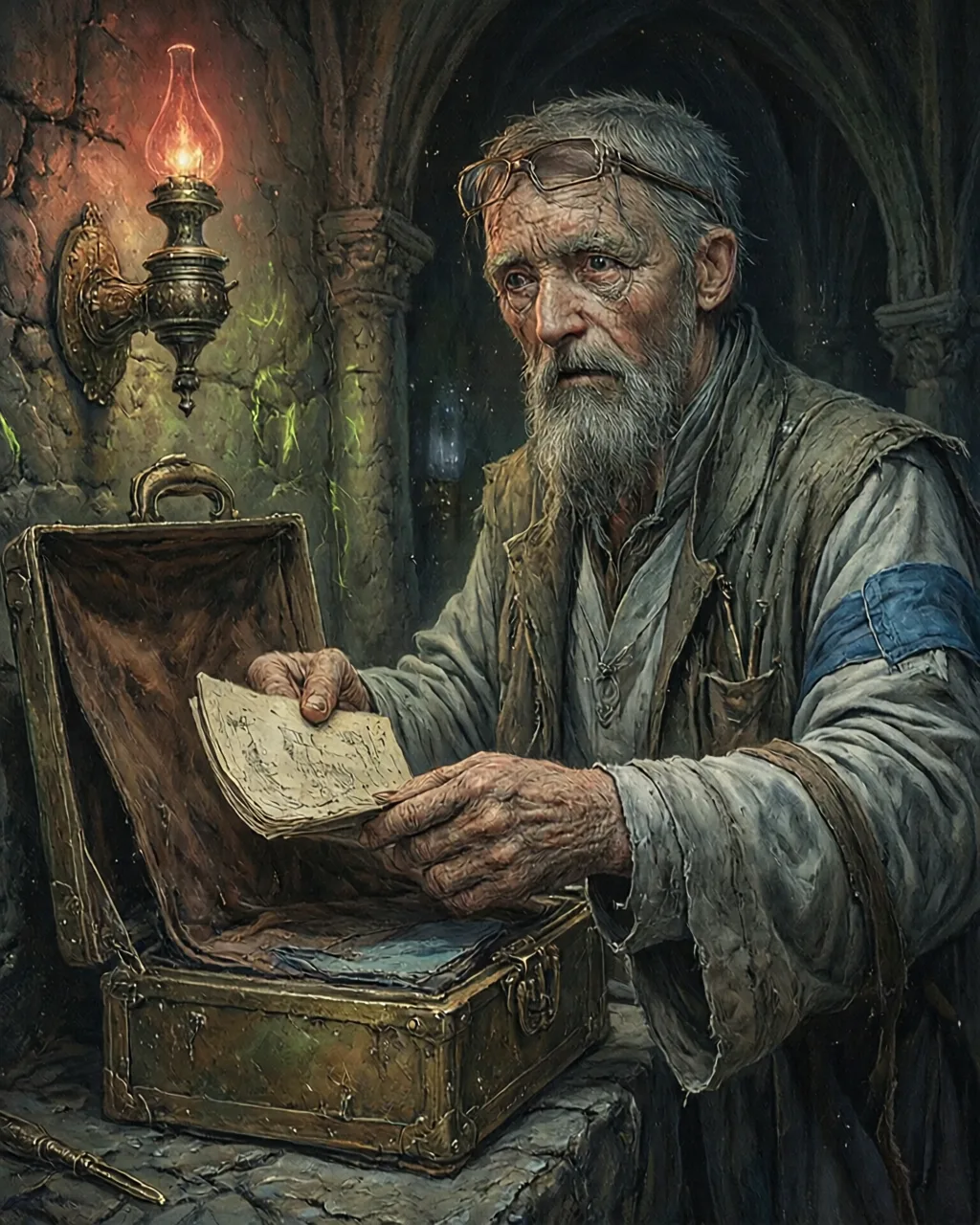
The first oracle was a surveyor named Edden. He stopped mid-stride in the lower Sanctum, set down his instruments, and spoke for eleven minutes. He described the collapse of the eastern spire — the angle of failure, the sequence of fractures, the number of people in the corridor below, the direction the dust traveled.

He described it in the past tense.

The Order's transcription corrects the tense. The scribe wrote the spire will collapse, the stones will fall. The physician's log contains a footnote the scribe did not see. The footnote reads: The subject spoke in the past tense throughout. The scribe has corrected this in the record because the event has not yet occurred. I am recording the original tense here in case the correction proves to be the error.

The spire collapsed nine days later. The details matched.

Edden did not speak of his vision as a premonition. He spoke of it as a memory. When asked whether he had been to the eastern spire, he said he had been there as recently as an hour ago. He had not left the drainage fault in six hours.

Edden died forty-three days after the onset. He was sitting at his surveyor's desk. His instruments were arranged in front of him. His hands were in his lap. His partner found him in the morning and thought he was asleep. The physician examined him for two hours. He recorded no cause. The body was intact. The body was warm.

Fragment. Edden's own account, written the day after the spire collapsed. The hand is steady.

"I was there. The scribe keeps asking me if I saw the future. I did not see. I was standing in the corridor when the ceiling came down. I could smell the dust. I could feel the stones on my back. The woman beside me was named Kell and she was breathing and then she was not and I knew her name because she was someone I had known for a long time.

I have never met her. They told me so afterward. She is an apprentice in the east wing and we have never been introduced.

I remember her. I remember what her breathing sounded like when it stopped.

The scribe wrote that I predicted the collapse. I did not predict it. It has happened. It is still happening. It will happen in nine days. All three of these are true to me and I cannot arrange them in order.

I am tired. The scribe has asked me to rest."

Section 3Section 3

The second oracle began her divination before the first oracle's vision was fulfilled. The physician noted this. The onsets were overlapping, as though the oracles were not seeing separate events but listening to the same event from different positions.

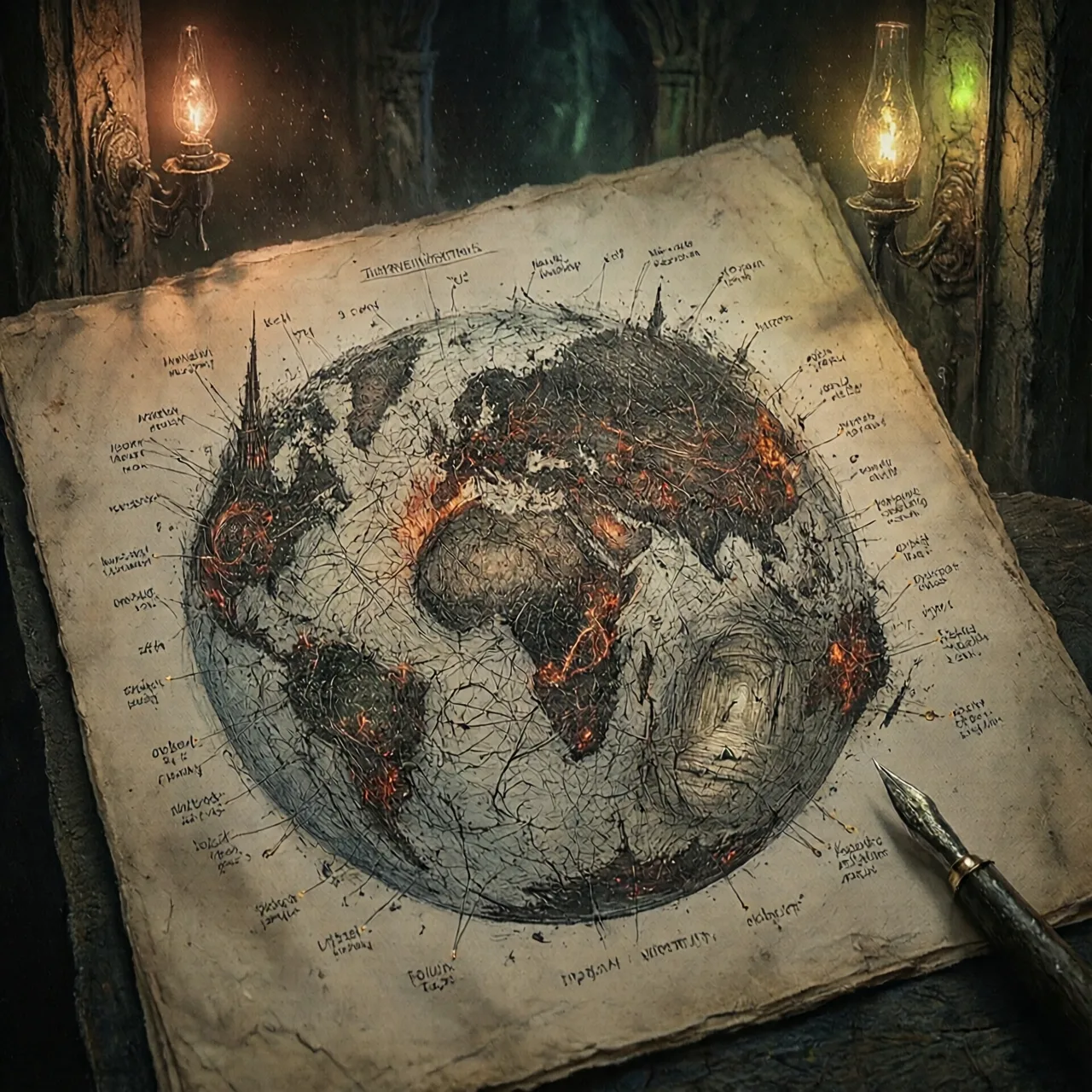
By the fifth oracle, the physician was cross-referencing. He assembled a chart. The visions resolved into a single continuous account — in an order that matched neither their onsets nor their fulfillments.

The account described a single event. The eastern spire, the fire in the western stacks, the collapse of the second ring of the Orrery, the death of a man in a corridor — the Order had catalogued these as separate fulfillments. They were moments of the same thing.

The physician did not show the chart to the Order. He sealed it in the same case the register had arrived in. The case accepted the chart. The case closed on its own.

Fragment. The physician's log. The entry is undated.

"The oracles are not predicting. Edden's footnote confirmed it. The scribe corrected a tense that was not an error.

They are remembering. The chart shows the memories are not discrete. They are moments of a single event — a catastrophe that has not begun in our timeline. In theirs it has ended.

I suspect the catastrophe has already happened, and we are living inside its duration, and the oracles are simply closer to the conclusion than the rest of us."

Section 4Section 4

The Order did not see the chart. They used the oracles for what the oracles appeared to offer — forewarning of specific events, preparation for specific disasters, research guidance based on proven future outcomes.

The physician kept his own register. He placed each oracle on the chart as their vision resolved. The death dates held. The first oracle died at the position the chart showed him occupying. The second at hers. The physician updated the chart each time. The positions formed a pattern the onsets and deaths did not.

Fragment. The ninth oracle's account, written shortly before her death. The hand is steady.

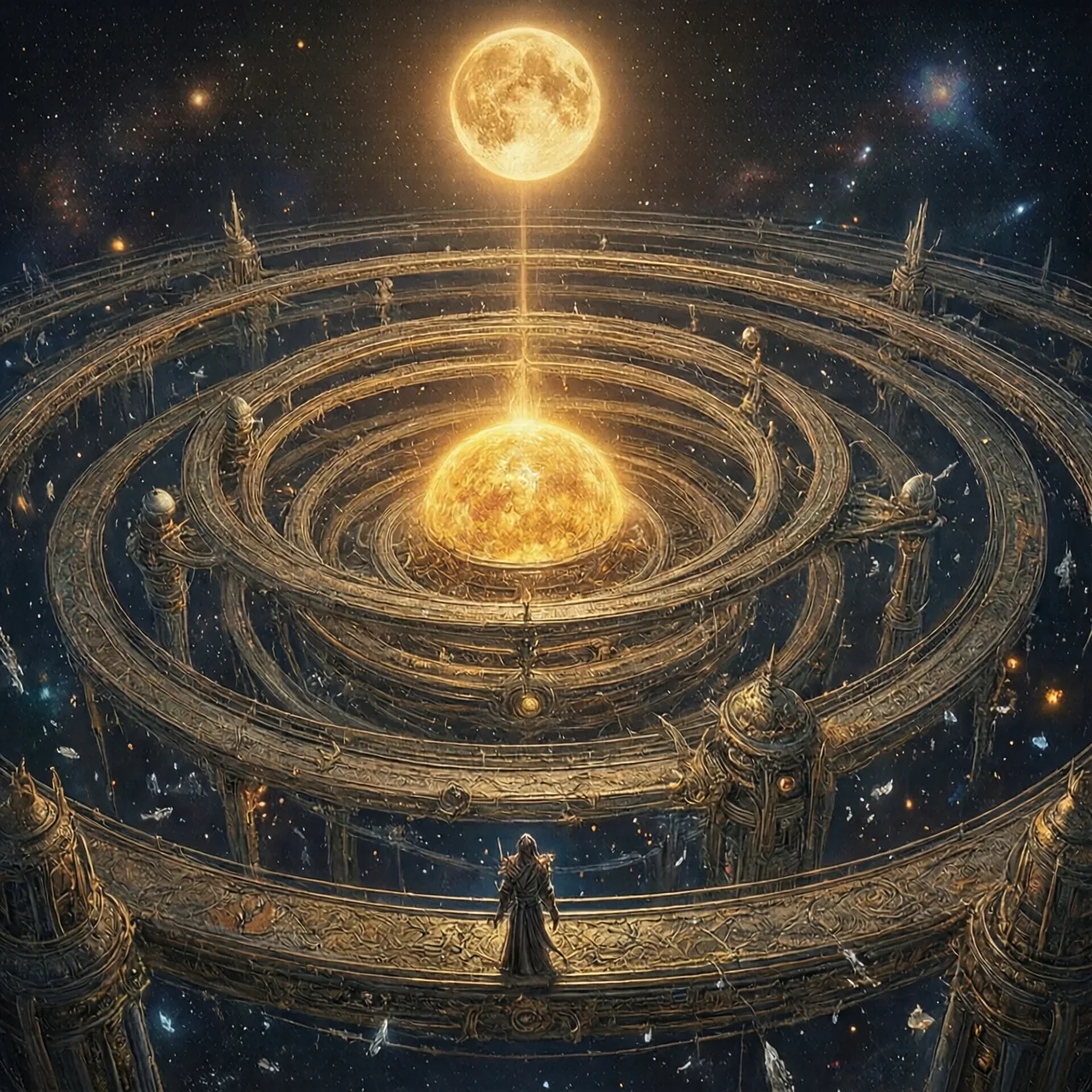
"I saw the Orrery. I have never been to the Orrery. I was standing on the third ring and the amber body was passing overhead and the second ring was empty because it had been shattered fourteen days earlier.

I know this because I shattered it. I do not remember deciding to. I remember doing it. I remember the reason. The reason will be correct in fourteen days when I do it.

The physician asked me why I would shatter the second ring. I told him. He wrote it down. He asked me to rest.

I am very tired. The tiredness is not mine. It belongs to the woman standing on the third ring looking at the aftermath. When she is done looking I will be done with her.

I was there. I am still there. I will be there in fourteen days. The scribe has asked me to arrange these in order. I cannot."

Section 5Section 5

The thirteenth oracle was a child.

The register lists no name. The physician's log lists no age. The child had been left at the Sanctum by a traveler who did not leave a name either. The child did not speak. The Order assumed the child could not.

On the morning of the thirteenth onset, the child opened its mouth and spoke for four minutes. The physician recorded what the child said. The child described the end of the catastrophe.

Not the end the chart had predicted. The chart had projected the thirteenth position as a final cascade — the collapse settling into whatever configuration the broken world would hold. The child did not describe this. The child described what came after. The stillness. The Laboratory as it now stands. The archive. The shelves. The corridors where the pumps would run. The woman at the desk.

The child described the Librarian.

The page in the physician's log where this description was recorded has been removed. The cut is clean. The pages before and after are intact.

The child's voice did not change while speaking. The physician notes this. The child described the configuration of the broken world in the same flat tone with which an adult might describe a familiar room. The child had seen it. The child had been there a long time.

The child died that evening. The register's date was correct.

Entry 10,904, final annotation.

"The physician sealed the chart in the case that brought the register. The case is in the restricted section. I have located it. I have not opened it.

The thirteen positions, assembled, describe the breaking of the world. I do not need the chart to know this. I have read all thirteen accounts. I have followed the sequence the physician implied in his undated entry. The pattern resolves.

The catastrophe has not yet begun in our timeline. All thirteen are dead. The catastrophe has not occurred.

Or it has occurred and we are inside its duration, and the oracles were the last witnesses to remember it from the other side.

The physician's log describes what the child said about me. The page has been removed. I have searched the archive for copies. There are none. I have searched for the child's name. There is none. I have searched for the traveler who brought the child. There is none.

The register was filled in by no hand that worked in the Sanctum. I have compared it against every sample in my records. It matches none of them.

I have compared it against my own.

The comparison yielded a result I have filed elsewhere."
Section 0Frontmatter

# The Visionaries

From the Catalogue of the Sixteenth Archivist, entry 10,904. Provenance: a personnel register from the Order's Sanctum with the dates of death filled in at the time of onset, a physician's log covering thirteen examinations, and four accounts written by the subjects themselves. The Librarian has verified that the handwriting in the register matches no hand in the Order's personnel files. The register was produced by no one who worked in the Sanctum.

Thirteen people saw something. The Order believed it was the future.

Section 1Section 1

The register lists thirteen names. Each name has a date of onset and a date of death. The dates of death were recorded on the same day as the onsets. The deaths occurred later, each on the predicted date, within a window of hours.

The register was not filled in by the physician. His log refers to it as supplied — delivered to the Sanctum before the first oracle appeared, sealed in a case the Order could not open until the first onset. The case opened on its own. Inside: a bound volume listing thirteen names the Order did not yet employ, onset dates spanning the next fourteen months, and a final column of death dates that would not be relevant for some time.

The Order treated the register as prophecy. The physician, in his log, refers to it as an instruction.

Section 2Section 2

The first oracle was a surveyor named Edden. He stopped mid-stride in the lower Sanctum, set down his instruments, and spoke for eleven minutes. He described the collapse of the eastern spire — the angle of failure, the sequence of fractures, the number of people in the corridor below, the direction the dust traveled.

He described it in the past tense.

The Order's transcription corrects the tense. The scribe wrote the spire will collapse, the stones will fall. The physician's log contains a footnote the scribe did not see. The footnote reads: The subject spoke in the past tense throughout. The scribe has corrected this in the record because the event has not yet occurred. I am recording the original tense here in case the correction proves to be the error.

The spire collapsed nine days later. The details matched.

Edden did not speak of his vision as a premonition. He spoke of it as a memory. When asked whether he had been to the eastern spire, he said he had been there as recently as an hour ago. He had not left the drainage fault in six hours.

Edden died forty-three days after the onset. He was sitting at his surveyor's desk. His instruments were arranged in front of him. His hands were in his lap. His partner found him in the morning and thought he was asleep. The physician examined him for two hours. He recorded no cause. The body was intact. The body was warm.

Fragment. Edden's own account, written the day after the spire collapsed. The hand is steady.

"I was there. The scribe keeps asking me if I saw the future. I did not see. I was standing in the corridor when the ceiling came down. I could smell the dust. I could feel the stones on my back. The woman beside me was named Kell and she was breathing and then she was not and I knew her name because she was someone I had known for a long time.

I have never met her. They told me so afterward. She is an apprentice in the east wing and we have never been introduced.

I remember her. I remember what her breathing sounded like when it stopped.

The scribe wrote that I predicted the collapse. I did not predict it. It has happened. It is still happening. It will happen in nine days. All three of these are true to me and I cannot arrange them in order.

I am tired. The scribe has asked me to rest."

Section 3Section 3

The second oracle began her divination before the first oracle's vision was fulfilled. The physician noted this. The onsets were overlapping, as though the oracles were not seeing separate events but listening to the same event from different positions.

By the fifth oracle, the physician was cross-referencing. He assembled a chart. The visions resolved into a single continuous account — in an order that matched neither their onsets nor their fulfillments.

The account described a single event. The eastern spire, the fire in the western stacks, the collapse of the second ring of the Orrery, the death of a man in a corridor — the Order had catalogued these as separate fulfillments. They were moments of the same thing.

The physician did not show the chart to the Order. He sealed it in the same case the register had arrived in. The case accepted the chart. The case closed on its own.

Fragment. The physician's log. The entry is undated.

"The oracles are not predicting. Edden's footnote confirmed it. The scribe corrected a tense that was not an error.

They are remembering. The chart shows the memories are not discrete. They are moments of a single event — a catastrophe that has not begun in our timeline. In theirs it has ended.

I suspect the catastrophe has already happened, and we are living inside its duration, and the oracles are simply closer to the conclusion than the rest of us."

Section 4Section 4

The Order did not see the chart. They used the oracles for what the oracles appeared to offer — forewarning of specific events, preparation for specific disasters, research guidance based on proven future outcomes.

The physician kept his own register. He placed each oracle on the chart as their vision resolved. The death dates held. The first oracle died at the position the chart showed him occupying. The second at hers. The physician updated the chart each time. The positions formed a pattern the onsets and deaths did not.

Fragment. The ninth oracle's account, written shortly before her death. The hand is steady.

"I saw the Orrery. I have never been to the Orrery. I was standing on the third ring and the amber body was passing overhead and the second ring was empty because it had been shattered fourteen days earlier.

I know this because I shattered it. I do not remember deciding to. I remember doing it. I remember the reason. The reason will be correct in fourteen days when I do it.

The physician asked me why I would shatter the second ring. I told him. He wrote it down. He asked me to rest.

I am very tired. The tiredness is not mine. It belongs to the woman standing on the third ring looking at the aftermath. When she is done looking I will be done with her.

I was there. I am still there. I will be there in fourteen days. The scribe has asked me to arrange these in order. I cannot."

Section 5Section 5

The thirteenth oracle was a child.

The register lists no name. The physician's log lists no age. The child had been left at the Sanctum by a traveler who did not leave a name either. The child did not speak. The Order assumed the child could not.

On the morning of the thirteenth onset, the child opened its mouth and spoke for four minutes. The physician recorded what the child said. The child described the end of the catastrophe.

Not the end the chart had predicted. The chart had projected the thirteenth position as a final cascade — the collapse settling into whatever configuration the broken world would hold. The child did not describe this. The child described what came after. The stillness. The Laboratory as it now stands. The archive. The shelves. The corridors where the pumps would run. The woman at the desk.

The child described the Librarian.

The page in the physician's log where this description was recorded has been removed. The cut is clean. The pages before and after are intact.

The child's voice did not change while speaking. The physician notes this. The child described the configuration of the broken world in the same flat tone with which an adult might describe a familiar room. The child had seen it. The child had been there a long time.

The child died that evening. The register's date was correct.

Entry 10,904, final annotation.

"The physician sealed the chart in the case that brought the register. The case is in the restricted section. I have located it. I have not opened it.

The thirteen positions, assembled, describe the breaking of the world. I do not need the chart to know this. I have read all thirteen accounts. I have followed the sequence the physician implied in his undated entry. The pattern resolves.

The catastrophe has not yet begun in our timeline. All thirteen are dead. The catastrophe has not occurred.

Or it has occurred and we are inside its duration, and the oracles were the last witnesses to remember it from the other side.

The physician's log describes what the child said about me. The page has been removed. I have searched the archive for copies. There are none. I have searched for the child's name. There is none. I have searched for the traveler who brought the child. There is none.

The register was filled in by no hand that worked in the Sanctum. I have compared it against every sample in my records. It matches none of them.

I have compared it against my own.

The comparison yielded a result I have filed elsewhere."
Page 1

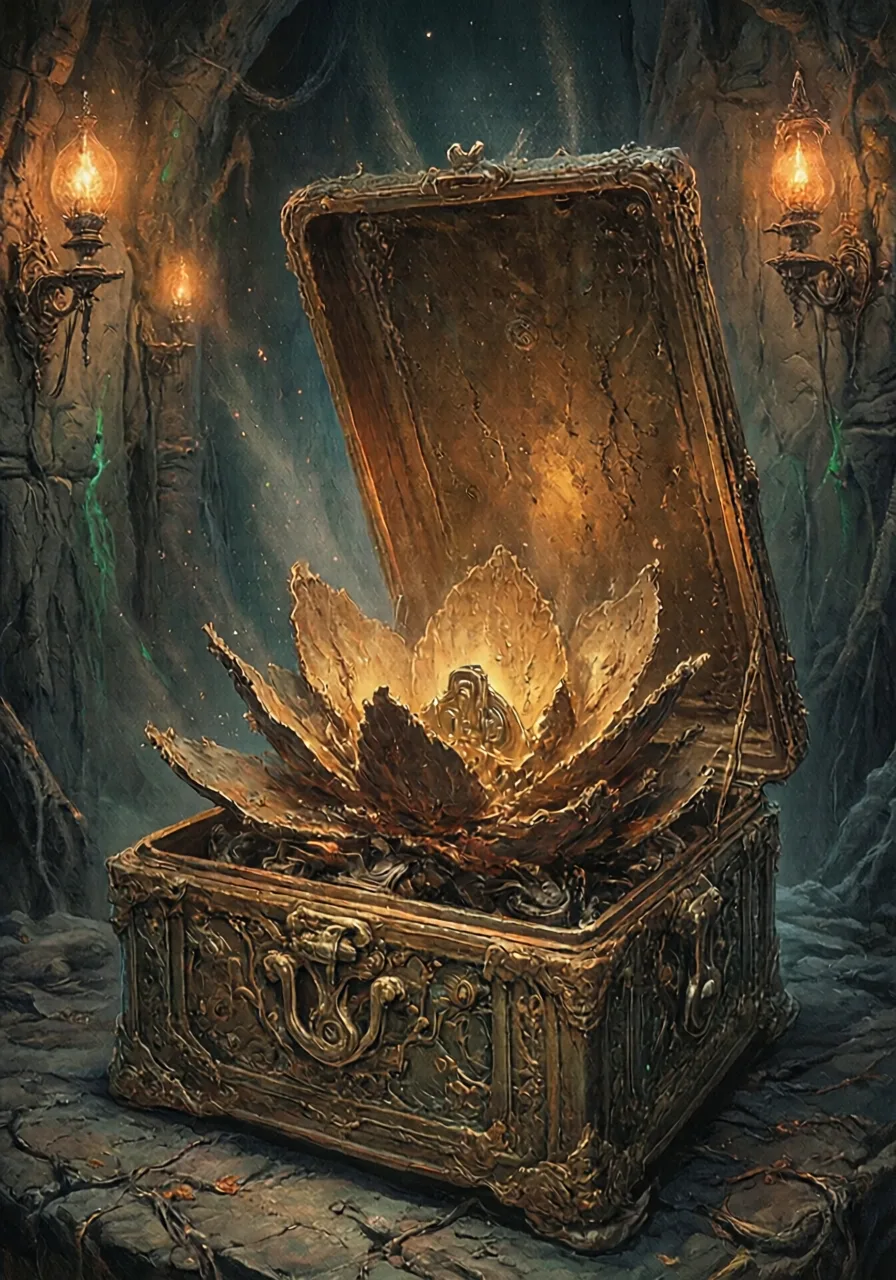
The case opened on its own.

The register lists thirteen names. Each name has a date of onset and a date of death. The dates of death were recorded on the same day as the onsets. The deaths occurred later, each on the predicted date, within a window of hours. The register was not filled in by the physician. His log refers to it as supplied — delivered to the Sanctum before the first oracle appeared, sealed in a case the Order could not open until the first onset.
The case opened on its own. Inside: a bound volume listing thirteen names the Order did not yet employ, onset dates spanning the next fourteen months, and a final column of death dates that would not be relevant for some time.
Inside: a bound volume listing thirteen names the Order did not yet employ, onset dates spanning the next fourteen months, and a final column of death dates that would not be relevant for some time. The Order treated the register as prophecy. The physician, in his log, refers to it as an instruction.
Page 2

He spoke of it as a memory.

The first oracle was a surveyor named Edden. He stopped mid-stride in the lower Sanctum, set down his instruments, and spoke for eleven minutes. He described the collapse of the eastern spire — the angle of failure, the sequence of fractures, the number of people in the corridor below, the direction the dust traveled. He described it in the past tense.
Edden did not speak of his vision as a premonition. He spoke of it as a memory. When asked whether he had been to the eastern spire, he said he had been there as recently as an hour ago. He had not left the drainage fault in six hours. The spire collapsed nine days later. The details matched. I was there. The scribe keeps asking me if I saw the future. I did not see. I was standing in the corridor when the ceiling came down.
Edden died forty-three days after the onset. He was sitting at his surveyor's desk. His instruments were arranged in front of him. His hands were in his lap. His partner found him in the morning and thought he was asleep. The physician examined him for two hours. He recorded no cause. The body was intact. The body was warm.
Page 3

The chart resolves.

By the fifth oracle, the physician was cross-referencing. He assembled a chart. The visions resolved into a single continuous account — in an order that matched neither their onsets nor their fulfillments. The account described a single event. The eastern spire, the fire in the western stacks, the collapse of the second ring of the Orrery, the death of a man in a corridor — the Order had catalogued these as separate fulfillments. They were moments of the same thing.
The oracles are not predicting. Edden's footnote confirmed it. The scribe corrected a tense that was not an error. They are remembering. The chart shows the memories are not discrete. They are moments of a single event — a catastrophe that has not begun in our timeline. In theirs it has ended. I suspect the catastrophe has already happened, and we are living inside its duration, and the oracles are simply closer to the conclusion than the rest of us.
The physician did not show the chart to the Order. He sealed it in the same case the register had arrived in. The case accepted the chart. The case closed on its own.
Page 4

I cannot arrange these in order.

I saw the Orrery. I have never been to the Orrery. I was standing on the third ring and the amber body was passing overhead and the second ring was empty because it had been shattered fourteen days earlier. I know this because I shattered it. I do not remember deciding to. I remember doing it. I remember the reason. The reason will be correct in fourteen days when I do it.
The physician asked me why I would shatter the second ring. I told him. He wrote it down. He asked me to rest. I am very tired. The tiredness is not mine. It belongs to the woman standing on the third ring looking at the aftermath. When she is done looking I will be done with her. The scribe has asked me to arrange these in order. I cannot.
The death dates held. The first oracle died at the position the chart showed him occupying. The second at hers. The physician updated the chart each time. The positions formed a pattern the onsets and deaths did not.
Page 5

The child described the Librarian.

The thirteenth oracle was a child. The register lists no name. The physician's log lists no age. The child had been left at the Sanctum by a traveler who did not leave a name either. The child did not speak. The Order assumed the child could not. On the morning of the thirteenth onset, the child opened its mouth and spoke for four minutes.
The child described the end of the catastrophe. Not the end the chart had predicted. The chart had projected the thirteenth position as a final cascade. The child did not describe this. The child described what came after. The stillness. The Laboratory as it now stands. The archive. The shelves. The corridors where the pumps would run. The woman at the desk. The child described the Librarian.
The page in the physician's log where this description was recorded has been removed. The cut is clean. The pages before and after are intact. The child died that evening. The register's date was correct. The catastrophe has not yet begun in our timeline. All thirteen are dead. The catastrophe has not occurred. Or it has occurred and we are inside its duration, and the oracles were the last witnesses to remember it from the other side.

Listen ModeClick a section to begin listening

The chronicle plays section by section in the Librarian's voice. As each section plays, the corresponding pages of the comic are highlighted. Switch to Scroll, Flip, Prose, or Split at any time — the audio continues, and you can follow visually.